 How-to
4 Commercial Pest Management Hygiene Standards for Queensland
Last Updated: November 15, 2026
Quick Summary
Commercial pest management hygiene standards in Queensland require active pest prevention, safe chemical storage and handling, written records of all pest work, and a named person responsible for pest control on site. These expectations come from Food Standards Australia New Zealand guidance, Queensland Health licensing and Australian Standards for termite work.
- Food premises must show pests are kept out and any activity is caught and corrected.
- A practical pest file holds signed service reports, pesticide records, a staff sighting log and corrective actions.
- Build a pest management plan in six parts and set a review date from the start.
- Set inspection frequency by risk: weekly internal checks in high-risk areas, monthly in low-risk areas.
- The most common mistake is fixing a sighting without finding the entry point.
Table of Contents
- What Queensland Hygiene Standards Require of Commercial Pest Management
- Food Business Pest Control Requirements Under Standard 3.2.2
- Building a Pest Management Plan for Commercial Premises
- Your Pest Control Inspection Checklist for Businesses
- Frequently Asked Questions
What Queensland Hygiene Standards Require of Commercial Pest Management
Commercial pest management hygiene standards in Queensland rest on one principle: food and premises must be protected from pests at every stage. This guide from Tropic Shield Pest Services explains what the rules ask of a business, and how to meet them without guesswork.
The rules come from several places: Food Standards Australia New Zealand guidance on pests, Queensland Health licensing for pest-control businesses, and Australian Standards for termite work. Keep all three in view.
The standards expect:
- Active pest prevention, not just reaction
- Safe storage and handling of chemicals
- Records showing what was done and when
- A named person responsible for pest control
Businesses that treat pest control as a one-off spray fail audits; those that treat it as a system pass.
If you run a venue, hotel or rental property, commercial pest control in Port Douglas and Cairns covers scheduled services, reporting and fast response for guest issues.
Food Business Pest Control Requirements Under Standard 3.2.2
Food safety rules expect food premises to take practical steps to prevent pests from contaminating food, and they apply to any business handling food for sale, from a café kitchen to a warehouse storing packaged goods.

Food safety rules name no specific method; they expect evidence that pests are kept out and any activity is caught and corrected. Inspectors typically look for four things:
- Prevention built into the premises. Food stored off the floor in sealed containers, bins closed and emptied often, gaps around doors, pipes and vents sealed.
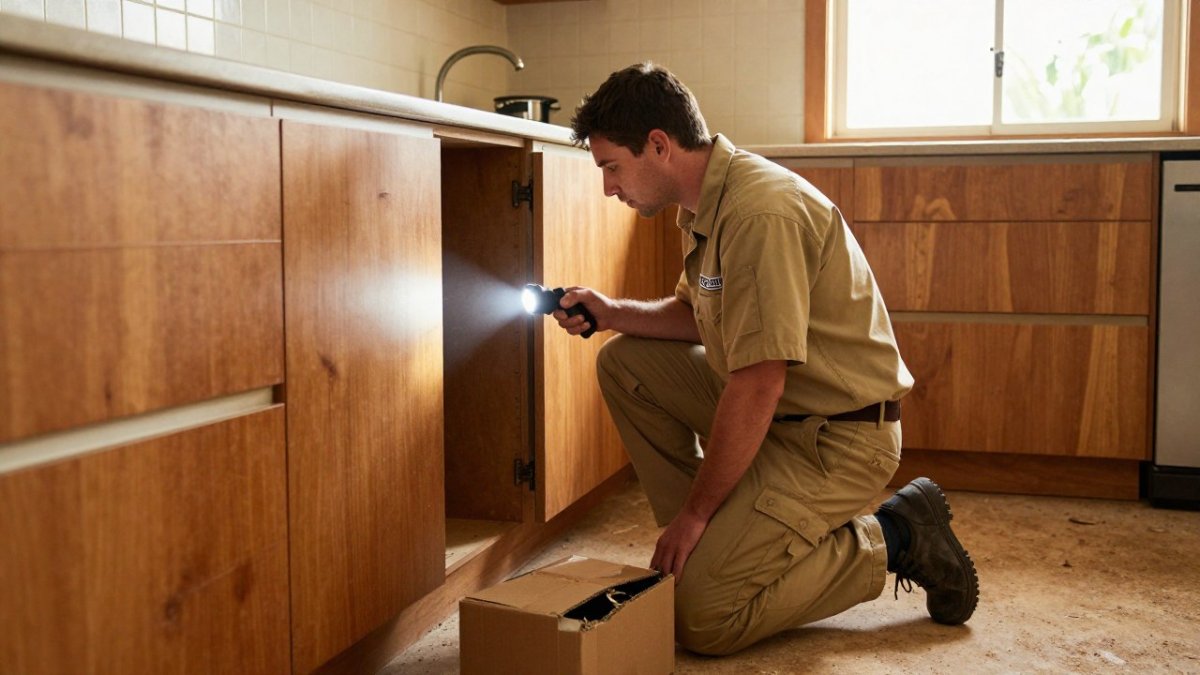
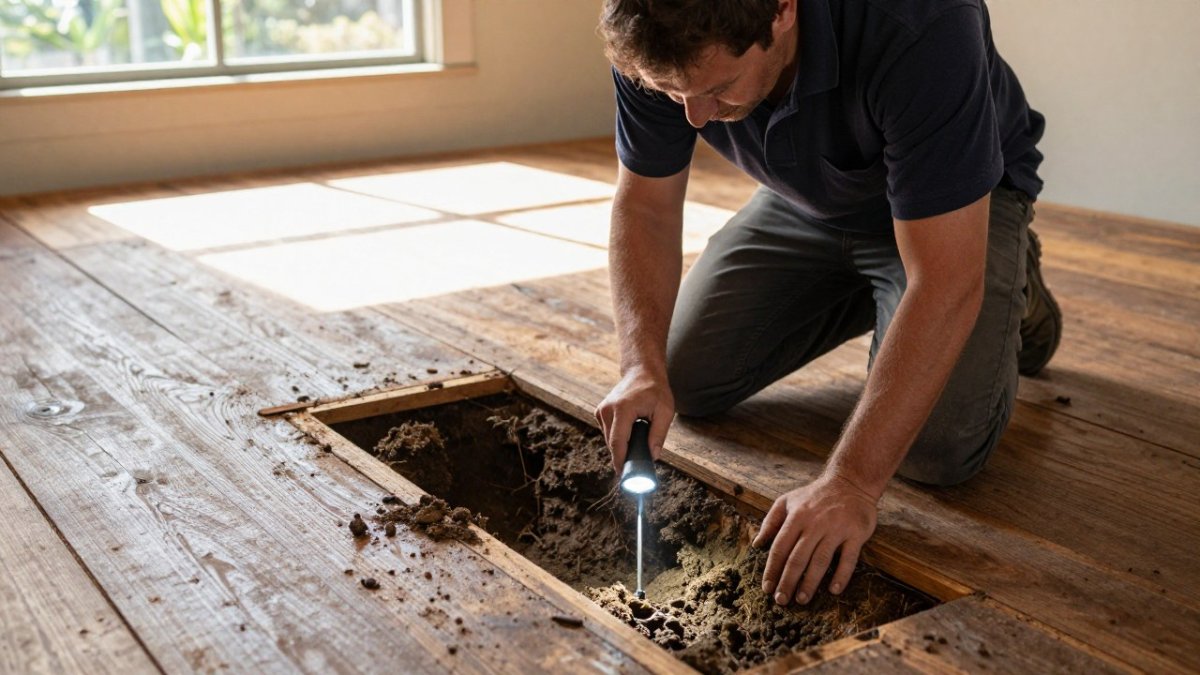
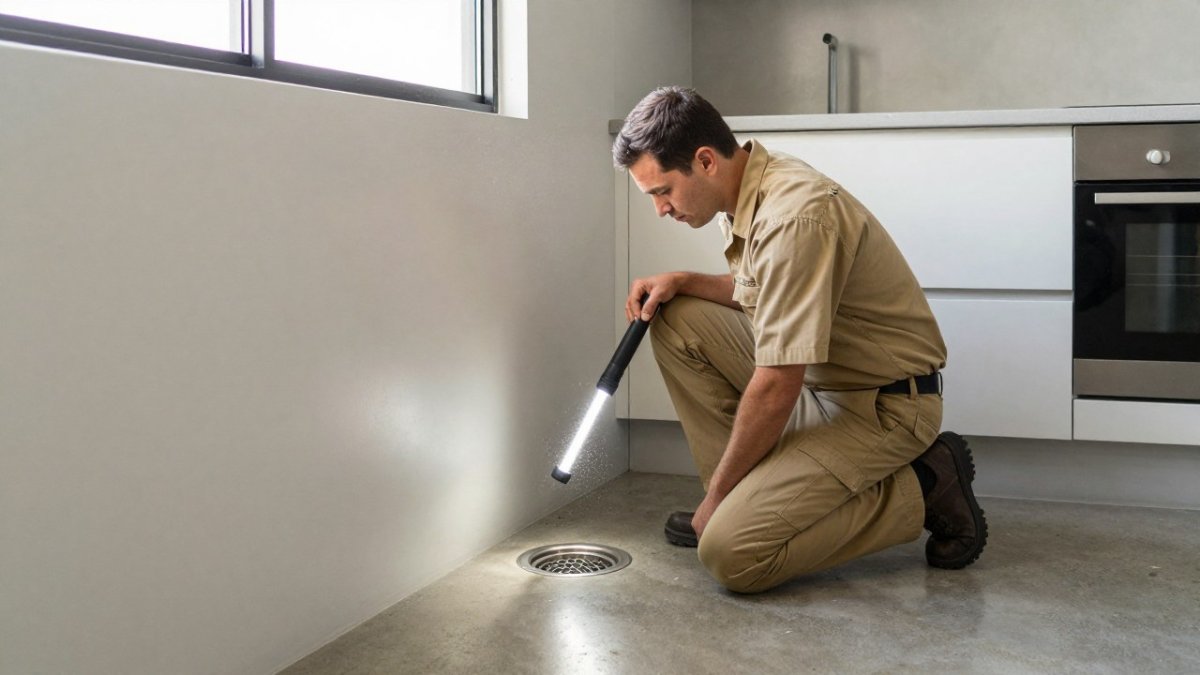
- A monitoring routine. Scheduled checks for droppings, gnaw marks, nesting material and live activity.
- Corrective action records. Every sighting logged with the action taken and the date it was closed out.
- A named responsible person. The business must be able to say who owns pest control on site.
Food business pest control requirements sit inside general hygiene, not apart from it. A clean kitchen with a rodent problem is still non-compliant.
Pest treatment records for food businesses are where most audits are won or lost. A practical file contains:
- Signed, dated service reports from every visit
- Pesticide records showing what was applied, where, and by whom
- A staff pest sighting log kept between services
- Corrective actions with a completion date
- The contractor's licence details
Watch out: a common failure is keeping service reports but no staff sighting log, so the business cannot show what happened between visits.
If you run a venue, hotel or rental property, commercial pest control in Port Douglas and Cairns covers scheduled services, reporting and fast response for guest issues.
Building a Pest Management Plan for Commercial Premises
A pest management plan for commercial premises is a written document setting out how pests are prevented, monitored and treated, proof to an inspector, auditor or landlord that pest control is managed rather than improvised.
Most plans fail because they are written once and never reviewed. Build yours in six parts, with a review date from the start.
- Site map. Mark entry points, food storage, waste areas, loading docks and harbourage spots such as wall cavities and unused equipment. Update it when the layout changes.
- Risk by area. A commercial kitchen, waste store and loading dock need closer attention than an office or retail floor.
- Monitoring schedule. Set inspection frequency by risk, weekly internal checks in high-risk areas, monthly in low-risk areas, and a professional service matched to the site.
- Action thresholds. Decide in advance what triggers a response, a single sighting, repeat activity in the same spot, or evidence of breeding.
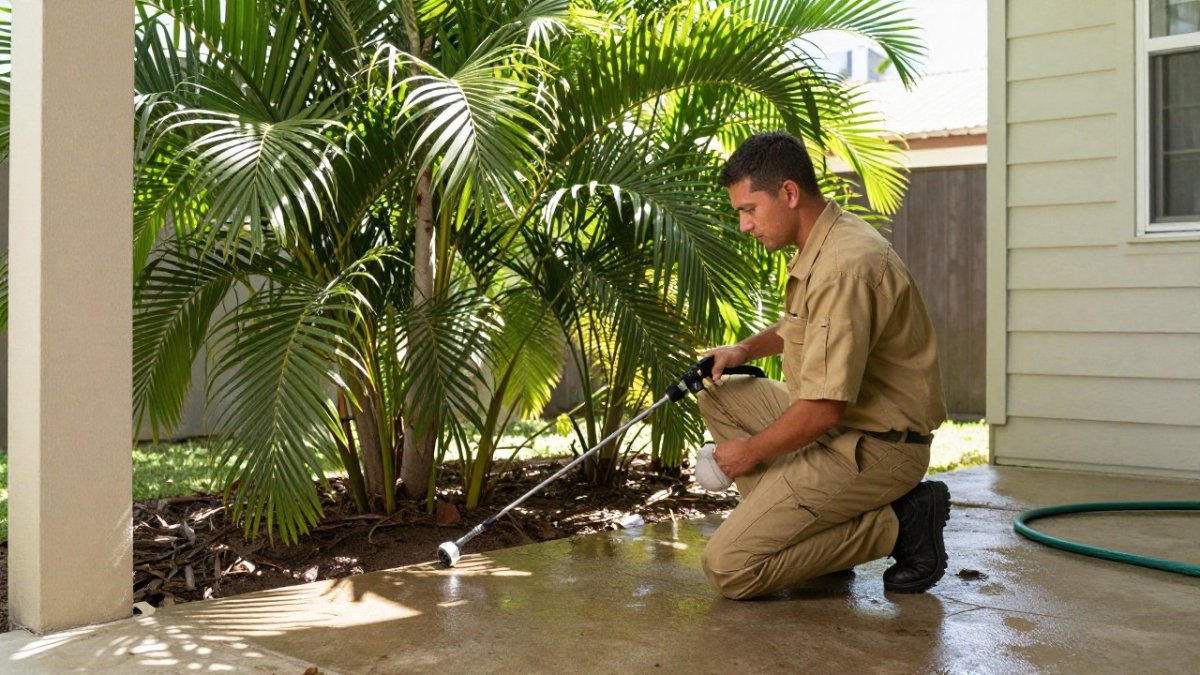
- Treatment rules. Name who can treat, with what, and under what conditions. Record the contractor's licence details and scope of work, so you can show that the work was done by a licensed technician.
- Records and review. Log every inspection, finding and corrective action, and set a review date, annually at minimum, and sooner after a layout change, refurbishment or repeat pest issue.
The gap most templates leave is business-type mapping. A food business answers to Standard 3.2.2 and needs records that satisfy a council food inspector; a warehouse needs a plan weighted toward entry points and loading areas; a healthcare site or school needs its plan coordinated with cleaning schedules and access restrictions.
Our pest control and termite services in the region lists the treatments a commercial site can schedule, which helps when you draft the plan.
Here are the six parts of a pest management plan, with what each one covers and when to update it.
| Plan part | What it covers | Timing or review |
|---|---|---|
| Site map | Entry points, food storage, waste areas, loading docks, harbourage spots | Update when layout changes |
| Risk by area | Kitchen, waste store and loading dock need closer attention | Set by area risk level |
| Monitoring schedule | Inspection frequency set by risk | Weekly high-risk, monthly low-risk |
| Action thresholds | What triggers a response, decided in advance | Single sighting, repeat activity, breeding evidence |
| Treatment rules | Who can treat, with what, under what conditions | Record contractor licence details and scope |
| Records and review | Log inspections, findings and corrective actions | Annually at minimum, sooner after changes |
Your Pest Control Inspection Checklist for Businesses
A pest control inspection checklist for businesses converts the standards into a repeatable monthly walk-through. Use it, sign it, file it.
- Check door seals, screens and vent covers
- Inspect food storage for signs of activity
- Confirm bins are closed and emptied
- Look for droppings, gnaw marks or nesting
- Review the last service report and open actions
- Confirm chemical storage is locked and labelled
- Note any new cracks, gaps or moisture
- Record findings and assign a fix date
Watch out: the most common mistake is fixing a sighting without finding the entry point. The pests return, and the record shows a repeat problem.
When you are ready to arrange an inspection, you can request a free quote or call or email our team directly.
Pest management in the tropics rewards consistency over one-off effort. Tropic Shield Pest Services provides licensed technicians, eco-conscious treatments suited to the climate, and same-day service for urgent issues. Get started with Tropic Shield Pest Services and keep your premises audit-ready.
Frequently Asked Questions
What hygiene standards apply to commercial pest management?
Commercial premises that handle food are expected to protect food from pests and keep premises clean, and pest-management businesses and technicians are regulated. In practice, compliance means a documented pest management plan, scheduled inspections, safe pesticide use, and records of pest activity and corrective actions. Auditors and councils check that these controls are in place and current, not just that a technician visited.
How often should a commercial property be inspected for pests?
Inspection frequency depends on the business type and pest pressure. High-risk food premises in tropical climates usually need monthly monitoring, while lower-risk offices may suit quarterly visits. Your pest management plan should set the frequency based on a risk assessment and review it after any pest activity. Queensland's humidity speeds up breeding cycles, so premises near food storage or waste areas often need closer monitoring than a standard schedule suggests.
What records should a pest management technician provide?
Ask for an inspection report listing the date, areas checked, pest activity found, chemicals used and recommended corrective actions. Keep these pest treatment records for food businesses on file for audits. A good report also notes monitoring device locations and any proofing or sanitation issues the business needs to fix.