 How-to
Preventing Cockroach Infestations in Tropical Climates
Last Updated: November 17, 2026
Quick Summary
Preventing cockroach infestations in tropical climates means removing the food, water and shelter cockroaches need, then sealing gaps so they cannot get back in. Warm, humid air speeds up their breeding cycle year-round, so clean hidden greasy surfaces, fix leaks, cover drains with fine mesh and take bins out nightly.
- One cockroach can produce up to 1,000 new ones in a year.
- Sealing gaps is the single most effective prevention step, but clear an active infestation first.
- Pour boiling water down floor wastes weekly to strip the organic film nymphs feed on.
- Run an exhaust fan for at least 15 minutes after showering to vent bathrooms and laundries.
- Escalate to professional help if you see cockroaches in daylight or traps fill within a week.
Table of Contents
- Why Tropical Climates Create Ideal Cockroach Conditions
- What Attracts Cockroaches Into Your Home
- Signs of a Cockroach Infestation to Check For
- How to Seal Gaps to Stop Cockroaches Getting In
- How to Prevent Cockroaches in Drains and Wet Areas
- Reducing Moisture and Managing Food Waste
- When DIY Prevention Is Not Enough
- Booking a Professional Pest Inspection
- Frequently Asked Questions
Why Tropical Climates Create Ideal Cockroach Conditions
Cockroach infestations in tropical climates are a year-round problem, not a seasonal one. Warm, humid air speeds up the cockroach breeding cycle, and there is no cold winter to knock numbers back. In the tropics, kitchens, drains and roof spaces can quickly become breeding grounds.
The numbers are sobering. One cockroach can produce up to 1,000 new ones in a year, according to community reports shared in 2025. And a rise in domestic cockroach activity has been reported locally, with BBC coverage of a 9% increase in domestic cockroach infestation claims showing how quickly the problem grows when conditions suit.
So what makes the tropics different?
- Constant warmth. Cockroaches breed all year, not just in summer.
- High humidity. Moisture drives them indoors and keeps eggs viable.
- Heavy rain. Storms flush them out of drains and gardens and into homes.
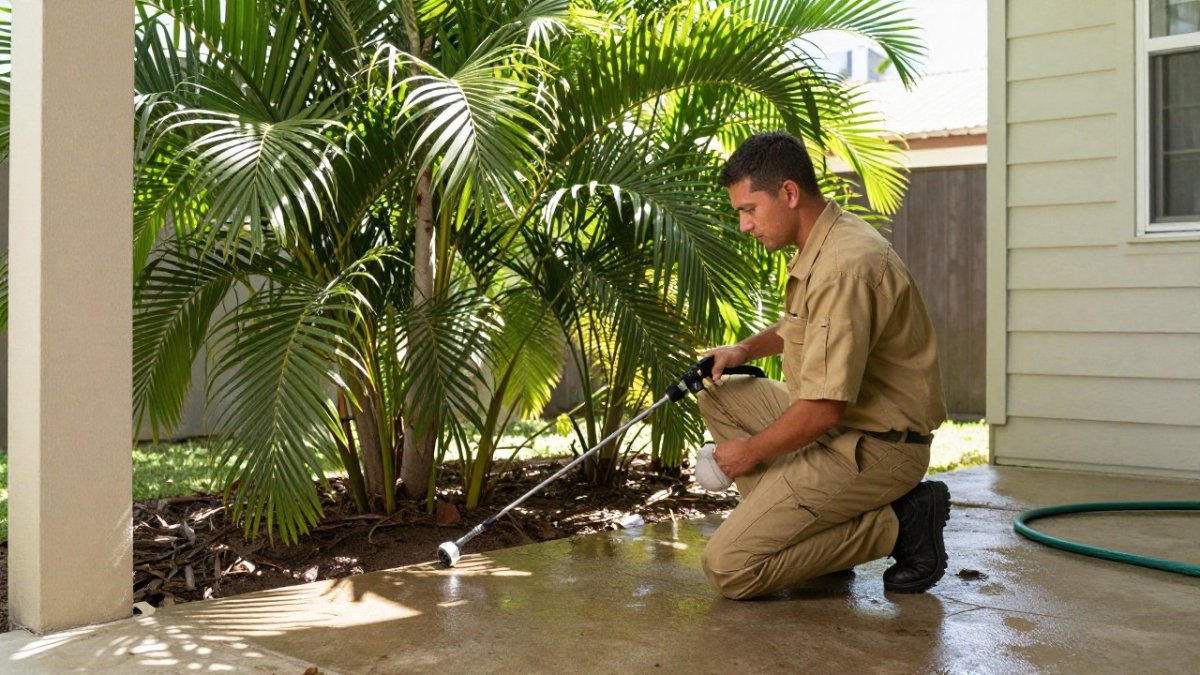
- Lush gardens. Leaf litter and mulch give them shelter close to your walls.
The good news: prevention works. Below, we show you exactly how to shut cockroaches out, step by step.
What Attracts Cockroaches Into Your Home
Cockroaches come inside for three things: food, water and shelter. Remove one and you cut your risk sharply. Remove all three and they have no reason to stay.
The biggest drawcards in local homes are:
- Food scraps and crumbs in kitchens, pantries and bins.
- Pet food left out overnight.
- Leaking taps and dripping pipes that create damp corners.
- Cardboard boxes and paper stored in cupboards.
- Warm, dark gaps behind appliances and under sinks.
What most guides miss is how little food a cockroach needs. A greasy film on a rangehood or a smear behind the toaster is a full meal. Clean those hidden surfaces, not just the benchtops.
Signs of a Cockroach Infestation to Check For
Signs of a cockroach infestation include droppings, a musty smell, egg cases, shed skins and live insects seen during the day. Any one of these means it is time to act.
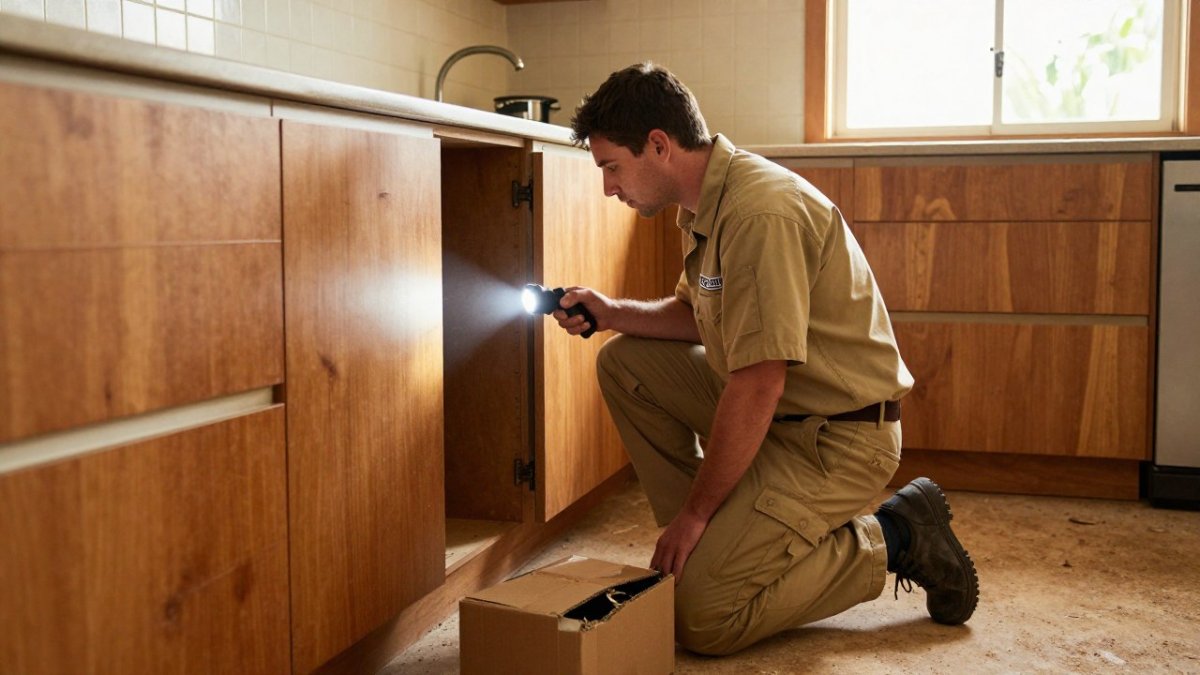
Check these spots with a torch:
- Droppings: small dark specks that look like ground pepper.
- Smell: an oily, musty odour in cupboards or under sinks.
- Egg cases: brown, purse-shaped capsules behind appliances.
- Shed skins: hollow shells near skirting boards.
- Daytime sightings: a cockroach out in daylight often signals a crowded nest.
For a deeper walkthrough of identifying and removing cockroaches in the tropics, read our guide on effective strategies for getting rid of cockroaches in FNQ.
How to Seal Gaps to Stop Cockroaches Getting In
Sealing gaps is the single most effective prevention step. A cockroach can flatten its body and slip through gaps you would overlook.
Work through this checklist:
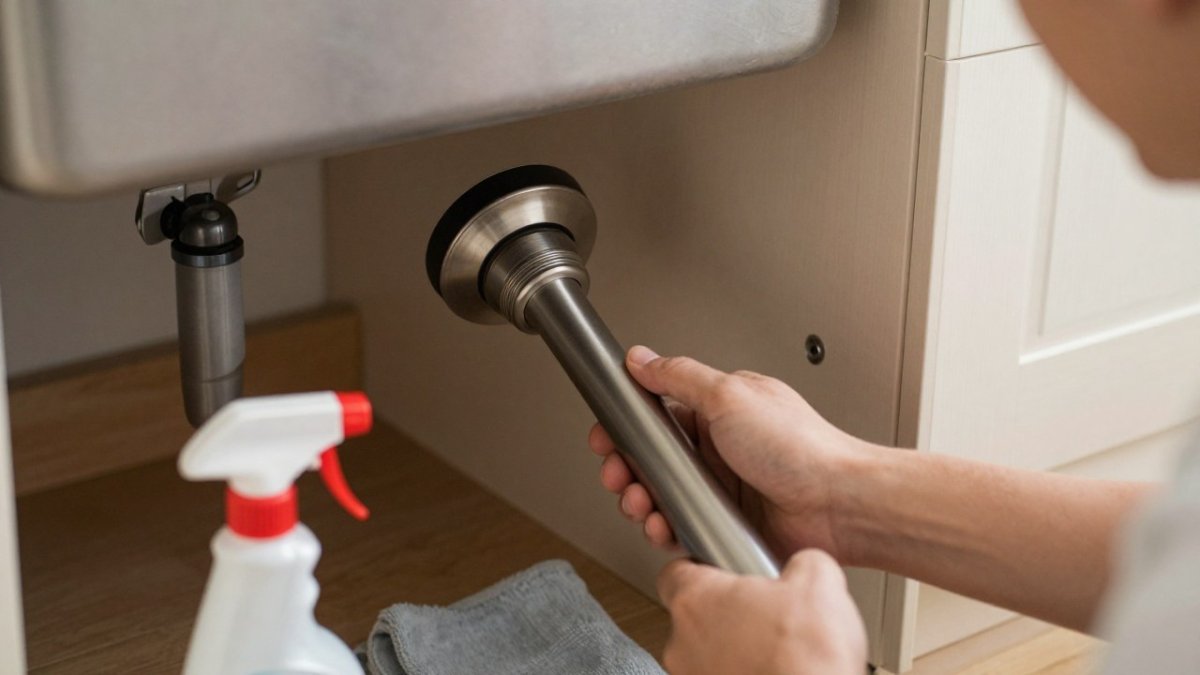
- Seal gaps around pipes under sinks with silicone.
- Fit draft strips to the base of doors, including the laundry and garage.
- Repair torn flyscreens and seal window frames.
- Caulk cracks in walls, tiles and skirting boards.
- Seal the gap where cabinetry meets the wall.
- Block weep holes with fine mesh, not foam.
Watch out: sealing a gap while cockroaches are already inside simply traps them indoors. Clear any active infestation first, then seal.
How to Prevent Cockroaches in Drains and Wet Areas
Drains are a common entry point for cockroaches in humid homes, and warm conditions help the organic film they feed on keep building.
Two common species are the American cockroach and the German cockroach. Knowing which one you are seeing can help you decide where to look.
Here are some ways to help prevent cockroaches in drains and wet areas:
-
Fit fine-mesh drain covers to every floor waste, including the laundry, ensuite and any external gully.
-
Pour boiling water down floor wastes and sink overflows weekly, the heat strips the organic film that nymphs feed on.
-
Fix leaking taps, washers and flexible hoses promptly; a slow drip under a sink is a permanent water source.
-
Wipe condensation from under-sink cabinets after humid days and leave the doors ajar to dry.
-
Vent bathrooms and laundries with an exhaust fan run for at least 15 minutes after showering.
-
Check the dishwasher, washing machine and hot water system cupboard, pull each appliance out once a season and clean the seals and the space behind.
Watch out: sealing a floor waste with a solid plug to stop cockroaches also stops the drain from doing its job and can cause overflow during heavy rain; use a mesh cover that still passes water.
During the wet season, inspect external inspection openings and overflow relief gullies after every major storm.
Reducing Moisture and Managing Food Waste
Moisture control and waste management are the two habits that keep cockroaches from settling in. Get these right and you remove their water and food supply at once.
Try these steps:
- Store food in sealed containers, not open packets.
- Take bins out nightly and rinse them weekly.
- Keep compost bins well away from the house.
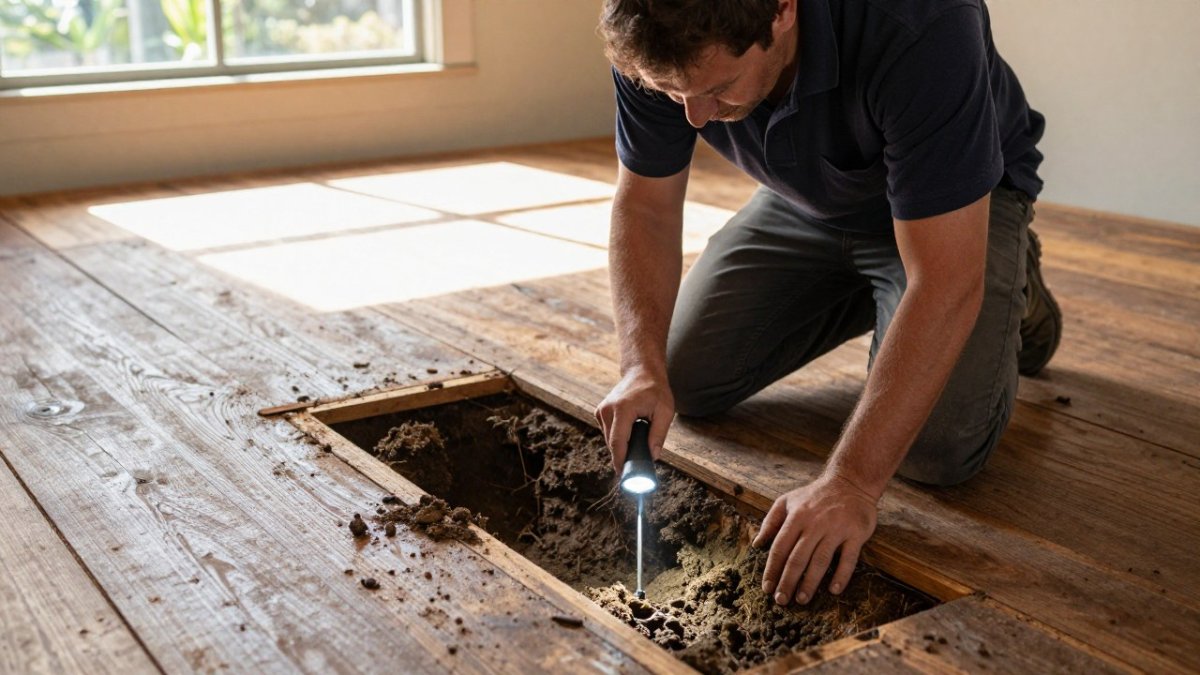
- Fix damp patches and improve subfloor ventilation.
- Dry wet areas after cleaning.
A common mistake is leaving the bin liner in overnight during hot, humid weather. That single habit feeds a nest.
When DIY Prevention Is Not Enough
DIY prevention handles small numbers, but a breeding population needs more than traps and sprays. The key question is not whether to escalate but when, and in the tropics the threshold arrives faster than most guides admit, because there is no cold season to reset the population.
Consider escalating when any of these are true:
- You see cockroaches in daylight. A daytime sighting usually means harbourage is crowded and insects are being pushed out.
- You find egg cases (oothecae) in more than one room. Each German cockroach ootheca carries dozens of nymphs, and a single female can produce several in a season.
- Traps or glue boards fill within a week rather than a month.
- You have sealed, cleaned and dried for four weeks and activity has not dropped.
- The species is German cockroach. This species is the least responsive to DIY sprays because it harbours deep in appliance voids and has developed resistance to many over-the-counter pyrethroids.
Integrated pest management combines sanitation, sealing, moisture control and targeted treatment, and many pest managers find it helps control populations over the long term.
If you have tried prevention and they keep returning, our general pest control service treats cockroaches along with ants, spiders, fleas and ticks. Not sure how often to book? Read how often you should book a general pest spray.
| Service | Home Size | Price (AUD) |
|---|---|---|
| General pest spray | 2 bedroom | $159 |
| General pest spray | 3 bedroom | $189 |
| General pest spray | 4 bedroom | $220 |
| Termite inspection | Any | $265 |
Pest control service prices by home size
Booking a Professional Pest Inspection
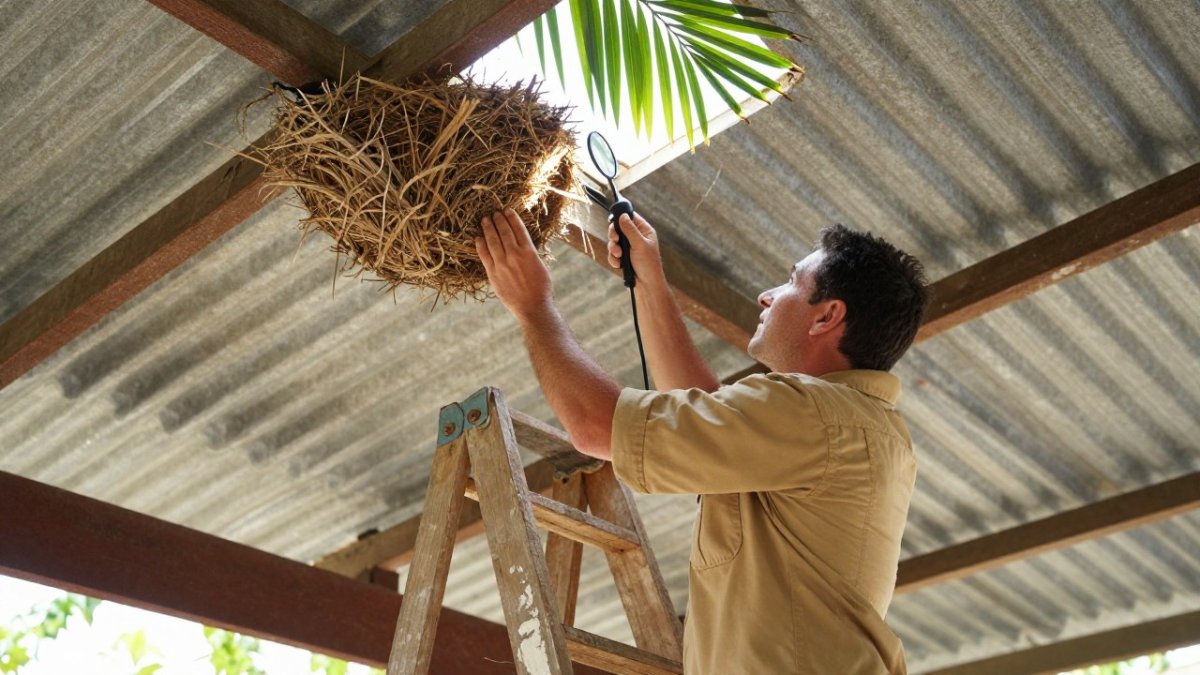
Booking a professional pest inspection is the fastest way to confirm the problem and stop it spreading. A licensed technician can find hidden nests, treat entry points and set a follow-up plan.
Pricing depends on the size of your property and the service required. For current prices or a quote, visit the Tropic Shield Pest Services website.
To request a quote, use our pest services near me contact page. If you are booking a spray, read what to expect during a general pest spray service first so you know how to prepare.
Cockroaches in a humid climate will keep coming back unless you close the entry points and treat the source. That is the challenge we handle every week. Tropic Shield Pest Services uses licensed technicians, safe eco-friendly treatments and same-day service, all tailored to the tropical climate. Get started with Tropic Shield Pest Services and keep your home protected all year.
Frequently Asked Questions
What attracts cockroaches in warm, humid weather?
Warm, humid conditions give cockroaches the moisture and warmth they need to breed quickly. In tropical homes, the biggest draws are food residue, standing water, damp drains, cardboard storage and gaps around doors and windows. Removing these attractants early matters because cockroach populations can grow quickly. Sealing food in containers, fixing leaks and drying wet areas removes the conditions they rely on.
How do I stop cockroaches coming through drains?
Drains give cockroaches a direct route from the sewer into your home. Fit drain covers with fine mesh, pour boiling water down drains weekly, and keep sink and floor wastes free of grease and food scraps. Check that traps have water in them so they seal properly. If you still see cockroaches in drains after these steps, a licensed technician can treat the drain lines and identify where they are entering.
How often should I check for signs of cockroach infestations?
Check monthly in warm months and after heavy rain. Look for droppings near food storage, egg cases behind appliances, a musty smell in cupboards, and cockroaches moving when lights come on. Pay attention to kitchens, bathrooms, laundries and roof spaces. Catching the signs of a cockroach infestation early stops a small problem from becoming a breeding population, which is harder to clear.
When should I call a pest control professional?
Call a professional if you see cockroaches during the day, find multiple egg cases, or have treated the problem yourself and they return within weeks. A licensed technician can inspect roof spaces, drains and wall cavities, then apply a targeted treatment suited to tropical conditions.