 How-to
Signs of Rodent Infestation in Tropical Homes
Last Updated: November 21, 2026
Quick Summary
Droppings are the most reliable sign of a rodent infestation, with fresh pellets dark, soft and shiny and old ones grey and crumbly. Also look for fresh gnaw marks, grease smears along walls and shredded nesting material, and check roof spaces first.
- Rat droppings are blunt and about the size of a grain of rice; mouse droppings are smaller and pointed.
- A mouse needs a hole about the width of a pencil; rats need roughly a twenty-cent coin.
- Never dry-sweep or vacuum droppings; spray them with disinfectant until wet, then wipe up.
- Clean a small area, note the date and re-check in a week to confirm current activity.
- Work through the house monthly in the same order, starting with kitchen and pantry.
Table of Contents
- Signs of Rodent Infestation in Tropical Homes
- Rodent Droppings Identification: What You Are Looking At
- How Rodents Enter a House in the Tropics
- How to Clean Rodent Droppings Safely in Hot, Humid Conditions
- Rodent Prevention in Tropical Homes
- Frequently Asked Questions
Signs of Rodent Infestation in Tropical Homes
Rats and mice leave clear evidence, and in the tropics it shows up fast. Droppings, gnaw marks, grease smears and shredded nesting material are the signs to look for, and spotting them early makes the problem far easier to manage.
Rodent Droppings Identification: What You Are Looking At
Droppings are the most reliable sign of rodent infestation. Fresh pellets are dark, soft and shiny; old ones turn grey and crumbly, telling you whether the problem is current.
Rat droppings are blunt and around the size of a grain of rice. Mouse droppings are smaller and pointed. Check behind cupboards, under sinks, in drawers and along walls. Wear gloves and avoid sweeping them dry.
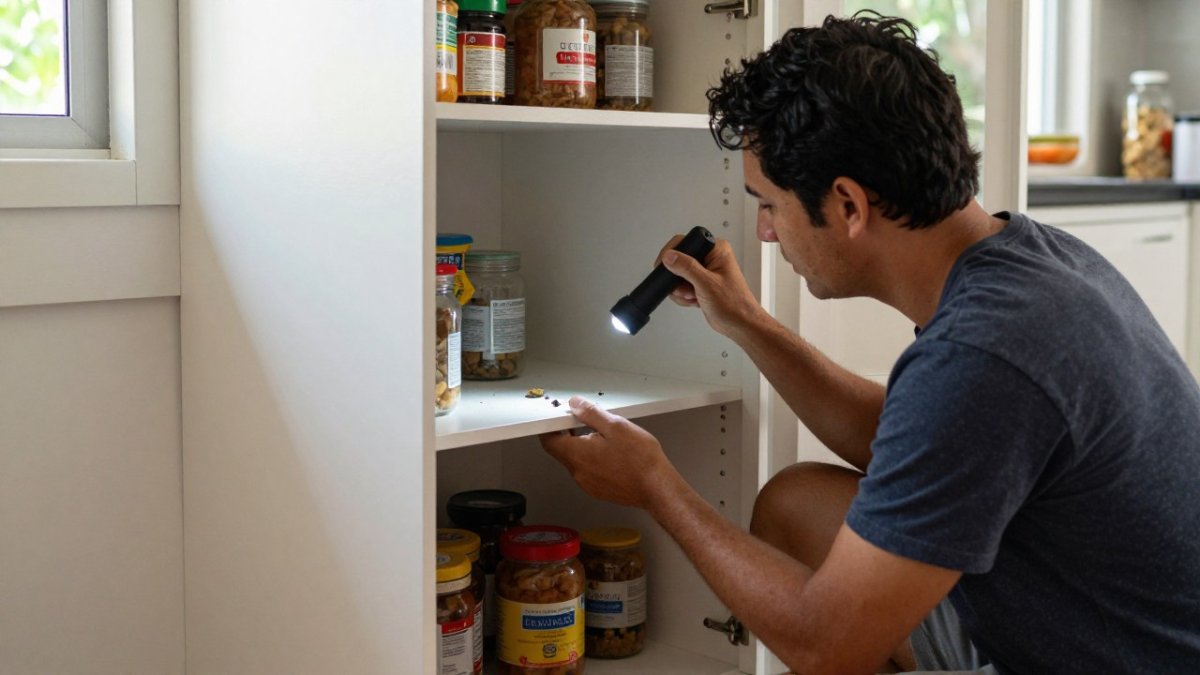
Droppings are the most reliable sign, and their appearance tells you whether the problem is current.
| Evidence | What it looks like | What it tells you |
|---|---|---|
| Fresh droppings | Dark, soft and shiny | Problem is current |
| Old droppings | Grey and crumbly | Activity may be past |
| Rat droppings | Blunt, about the size of a grain of rice | Rats present |
| Mouse droppings | Smaller and pointed | Mice present |
| Fresh gnaw marks | Pale and sharp-edged | Activity is ongoing |
| Grease smears | Stay tacky while activity continues | Active run along walls |
How Rodents Enter a House in the Tropics
A mouse needs a hole about the width of a pencil; rats need roughly the size of a twenty-cent coin. In the tropics, heat, humidity and the wet-dry swing change when rodents move and where they aim.
Check these spots:
- Gaps under doors and around frames, especially bottom corners where timber swells and shrinks
- Holes where pipes, cables and air-conditioning condensate lines enter walls
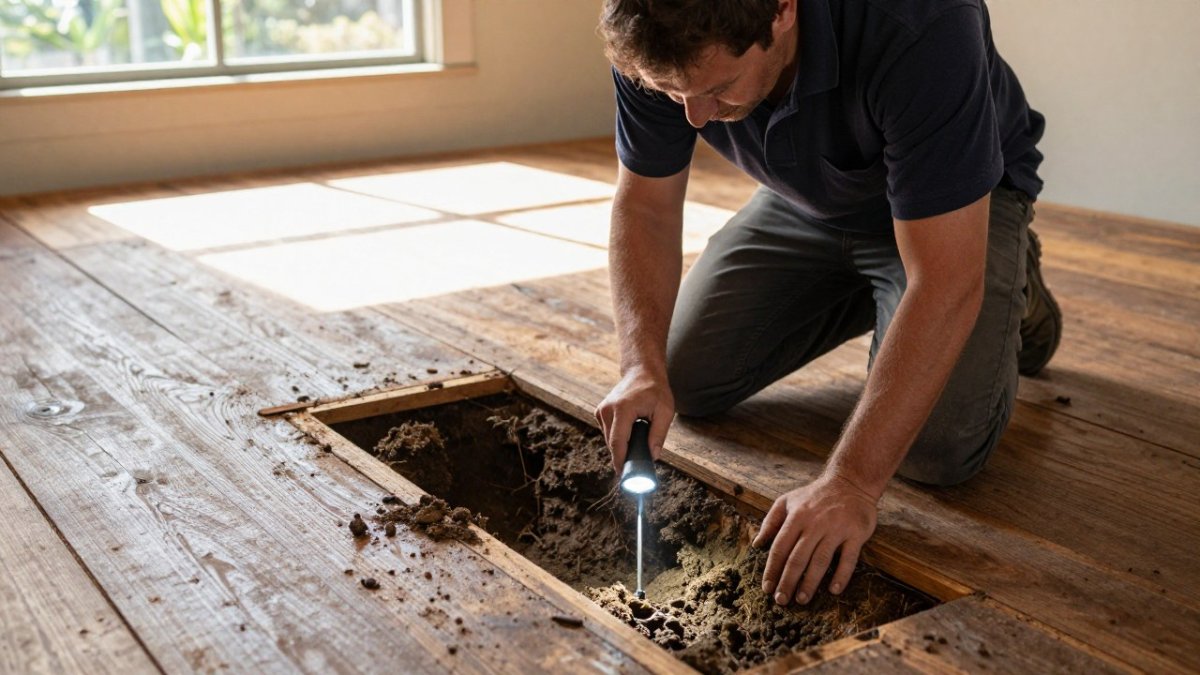
- Roof cavities, eaves and the ridge line, where gaps open as timber dries and warps
- Vents and weep holes without covers or mesh
- Cracks in brickwork and weatherboards
- The gap behind kitchen kickboards and under bench cabinetry
How the seasons change the pressure on your home
In the wet season, rodents move indoors for dry ground and reliable food, and a warm, humid roof cavity is close to ideal. In the dry season the pressure shifts outward as rodents range further for water, drawn to pools, pet bowls, air-conditioner drip trays and irrigation lines. Expect a spike in roof scratching a few weeks after the first heavy rain, then a second wave as the dry sets in.
Moisture, vegetation and the tropical attractants
Warm, damp conditions draw rodents to compost, pet food, fallen fruit and dense planting close to the house. For the services that seal and treat a home, see our pest control and termite services.
Watch out: sealing a gap without first confirming there is no rodent on the other side traps it inside the wall cavity, where the smell and chewing continue out of sight.
How to Clean Rodent Droppings Safely in Hot, Humid Conditions
Heat and humidity make droppings break down faster, releasing dust you do not want to breathe. Never dry-sweep or vacuum them.
Follow these steps:
- Open windows and doors for airflow
- Put on gloves and a mask
- Spray droppings with a disinfectant until wet
- Wipe up with paper towel and bag it
- Disinfect the surface again
- Wash your hands and clothes afterwards
If the mess is heavy or in a roof cavity, leave it to a professional pest service. Our guide on what to expect during a general pest spray explains how we handle it. When you are ready to hand it over, call or email our team.
Rodent Prevention in Tropical Homes
Stopping rodents beats treating them, and in the tropics prevention is a monthly habit. Seal gaps, store food in hard containers, keep bins closed, trim branches back from the roof and clear leaf litter against the walls. Keep compost in a sealed bin well away from the slab, and pick up fallen fruit.
A room-by-room inspection checklist
Work through the house in the same order each month so nothing gets missed:
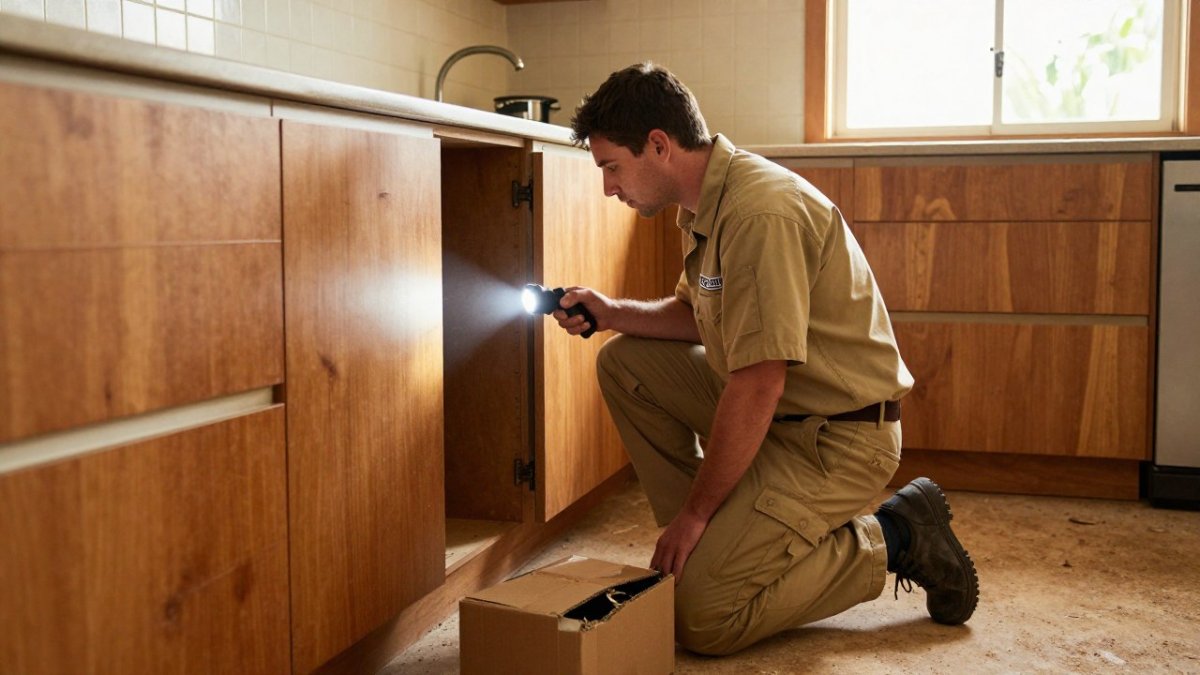
- Kitchen and pantry, pull out drawers, check back corners, and look behind the fridge and under the sink for droppings, gnaw marks and shredded packaging.
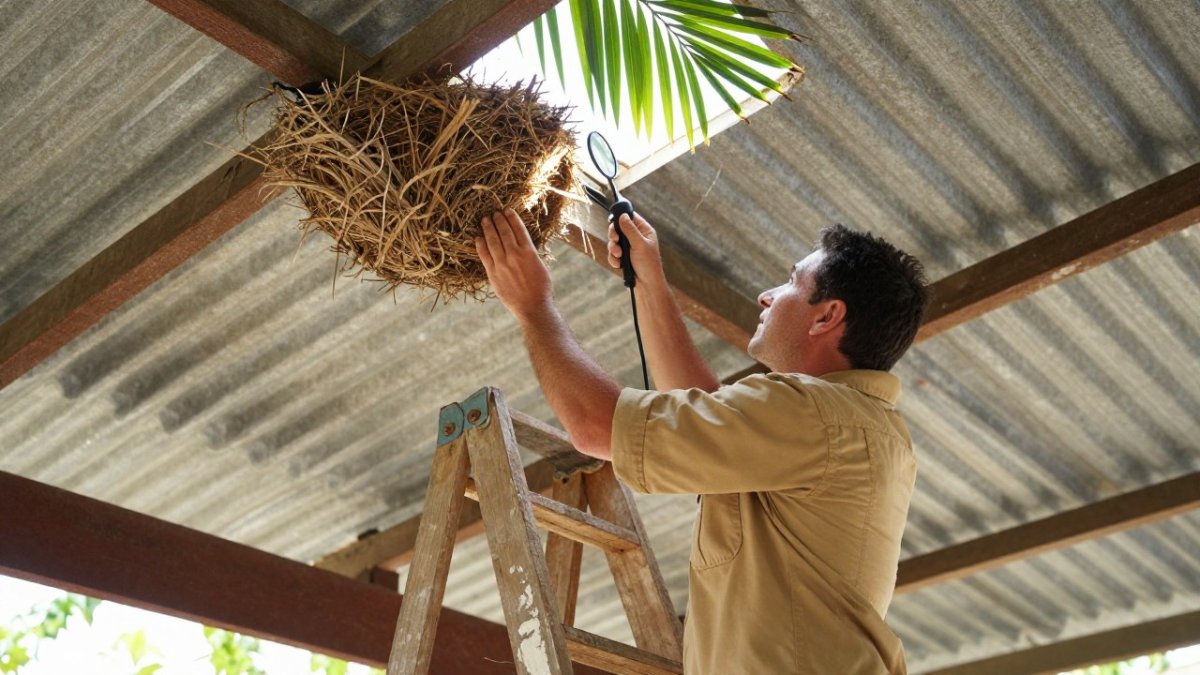
- Roof space, with a torch, look for droppings, grease smears on timber, shredded insulation and chewed wiring. This is where the first evidence usually appears.
- Laundry and utility areas, check behind the washing machine and hot water service, and around pipe penetrations.
- Storage rooms and garages, look inside stored boxes, camping gear and anything undisturbed for months.
- Outdoor kitchen and barbecue area, check under the barbecue, inside the cabinet and around the gas line.
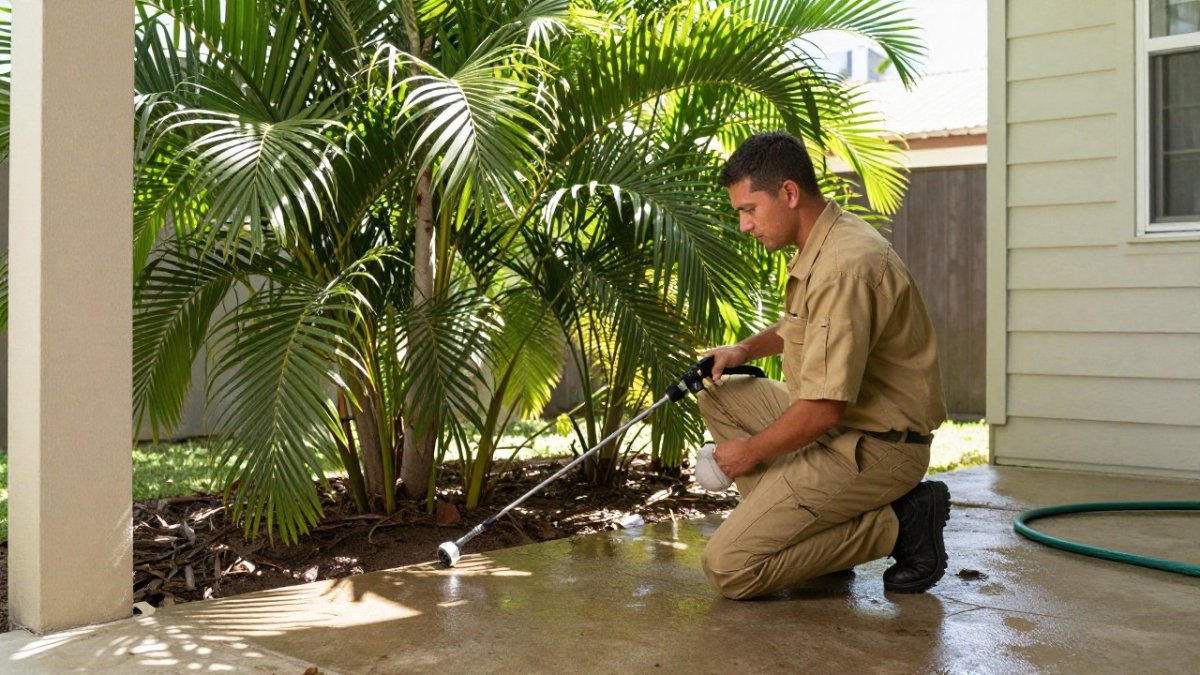
- Perimeter, walk the walls looking for fresh rub marks, burrows and runs along the fence line.
Telling fresh activity from old evidence
Not every dropping or gnaw mark means a current problem, and treating old evidence as live wastes money. Fresh droppings are dark, soft and shiny; old ones turn grey and crumbly. Fresh gnaw marks are pale and sharp-edged, older ones darken and soften, and grease smears stay tacky while activity is ongoing. Clean a small area, note the date, and re-check in a week, new evidence means the activity is current.
Rats versus mice, from the evidence alone
Dropping size is the quickest tell: rat droppings are blunt and around the size of a grain of rice, mouse droppings smaller and pointed. Rats travel along walls and leave obvious grease smears on regular routes; mice are more exploratory and turn up in drawers and cupboards. Rats nest in roof spaces and wall cavities, mice more often in stored goods and kitchen voids, the distinction changes where you focus the inspection.
Safe cleanup in hot, humid conditions
Catching it early saves money and stress. If you have found signs of rodent infestation, arrange a professional inspection. Our rodent control service covers baiting, treatment and prevention, and our same-day steps show how fast we can respond. Our guide on what to expect during a general pest spray explains how we handle it, and when you are ready to hand it over, call or email our team.
Rodents move quickly in warm weather, and a small gap becomes an open door. Tropic Shield Pest Services offers licensed technicians, eco-friendly treatments and same-day service across the region. We tailor every job to the tropical climate and back it with guaranteed protection. Get started with Tropic Shield Pest Services and keep your home clear.
Frequently Asked Questions
What are the first signs of a rodent infestation?
Droppings appear before almost anything else. Check behind appliances, inside cupboards and along skirting boards for small dark pellets. Gnaw marks on food packaging, shredded nesting material and scratching noises in the ceiling at night usually follow. In tropical homes, greasy smear marks along wall edges and entry points are also common because rodents follow the same routes repeatedly. Finding several signs together points to an active rodent infestation rather than a one-off visitor, so note where each one is before cleaning anything up.
How do rodents get into a house?
Rats and mice squeeze through gaps around plumbing penetrations, unscreened vents, roof flashings, garage doors and gaps under external doors. In the tropics, damaged fly screens and openings around air-conditioning pipes give them easy access. They also travel along overhanging branches onto the roof. Walk the exterior at dusk and check every opening wider than a pencil, then seal it with mesh, weather stripping or a suitable filler. Rodent prevention in tropical homes starts with these entry points.
What should you do if you find rodent droppings?
Do not sweep or vacuum them dry, because that sends contaminated dust into the air. Open windows, put on gloves and a mask, then wet the droppings with a disinfectant before wiping them up with paper towel and disposing of it in a sealed bag. Wash your hands afterwards and clean the surface again. In hot, humid weather, dry droppings break down quickly, so clean promptly. If you keep finding fresh droppings after cleaning, book a professional inspection to locate the nest and treat the source.