 How-to
How to Stop Termites Destroying Your Queensland Home
Last Updated: November 19, 2026
Quick Summary
Termites in Queensland destroy homes because the state gives them warmth, moisture, and an endless supply of timber. Warmth keeps them active year-round, moisture keeps the colony alive, and termites eat the cellulose in wood, so termite pressure here runs higher than in cooler southern states.
- Around 10 native subterranean species damage timber in the region, per the Queensland Government guide.
- Termites eat timber from the inside out, so damage often shows only after years of colony activity.
- Do not break open termite workings yourself, as disturbing a colony can make it move deeper.
- CSIRO research confirms undetected infestations cause extensive damage, with fungal decay making timber easier to attack.
- Remove timber and mulch from against the walls and book a professional inspection every 12 months.
Table of Contents
- What Attracts Termites to a Home in the Tropics
- Signs of Termites in a House You Should Never Ignore
- How Fast Termites Damage a House
- What We Recommend
- Frequently Asked Questions
What Attracts Termites to a Home in the Tropics
Termites in Queensland destroy homes because the state gives them warmth, moisture, and an endless supply of timber.
Termites eat cellulose, the fibre in wood, grass and mulch. Warmth keeps them active year-round and moisture keeps the colony alive, Queensland delivers all three, so termite pressure here runs higher than in cooler southern states.
- Timber in contact with soil, such as stumps, sleepers and fence posts
- Damp subfloors with poor drainage or leaking pipes
- Mulch, gardens and stacked firewood against the walls
- Cracks in foundations and slab edges that give hidden entry points
- Decaying timber already softening in the yard
The Queensland Government guide to subterranean and drywood termites notes that around 10 native subterranean species damage timber in the region. Understanding tropical termite pressure is also why annual inspections matter so much here: annual termite inspections in FNQ explains the schedule.
Here are the conditions and entry points that let termites get into a Queensland home.
| Attraction | Why it matters |
|---|---|
| Warmth | Keeps termites active year-round |
| Moisture | Keeps the colony alive |
| Timber | Termites eat cellulose in wood |
| Timber touching soil | Stumps, sleepers and fence posts |
| Damp subfloors | Poor drainage or leaking pipes |
| Mulch, gardens, firewood | Stacked against the walls |
| Foundation cracks | Hidden entry points |
| Decaying timber | Already softening in the yard |
Signs of Termites in a House You Should Never Ignore
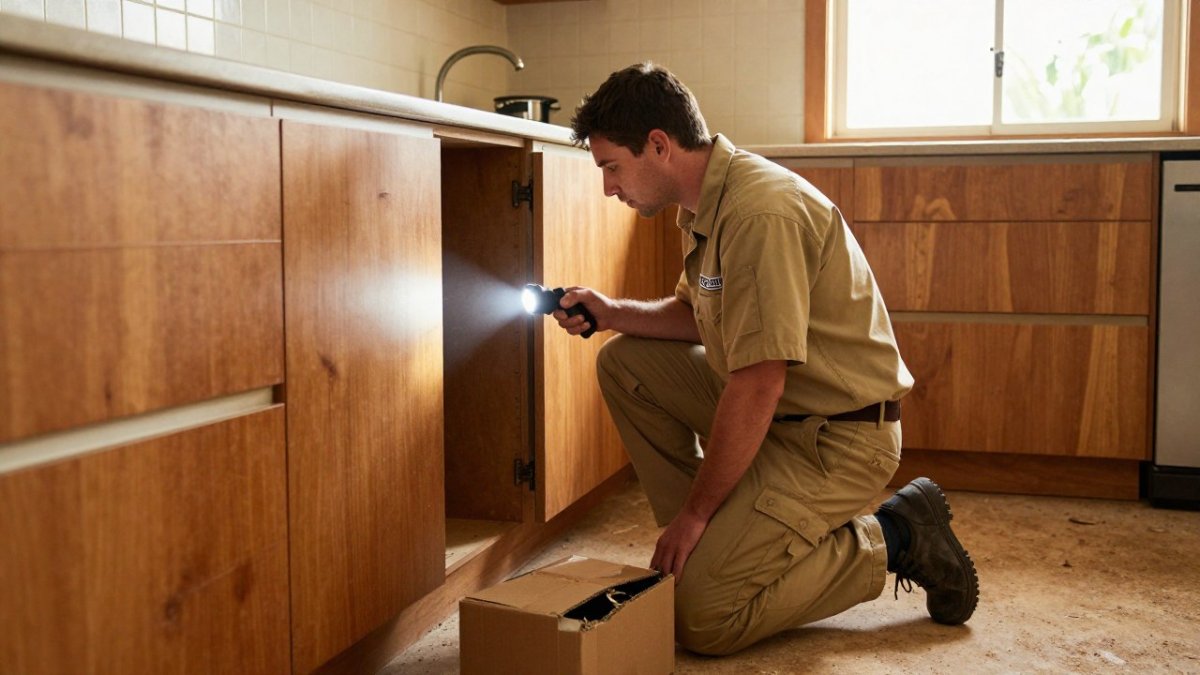
The warning signs of termites in Queensland houses are easy to miss because termites eat timber from the inside out. By the time damage shows on the surface, the colony has often been working for years.
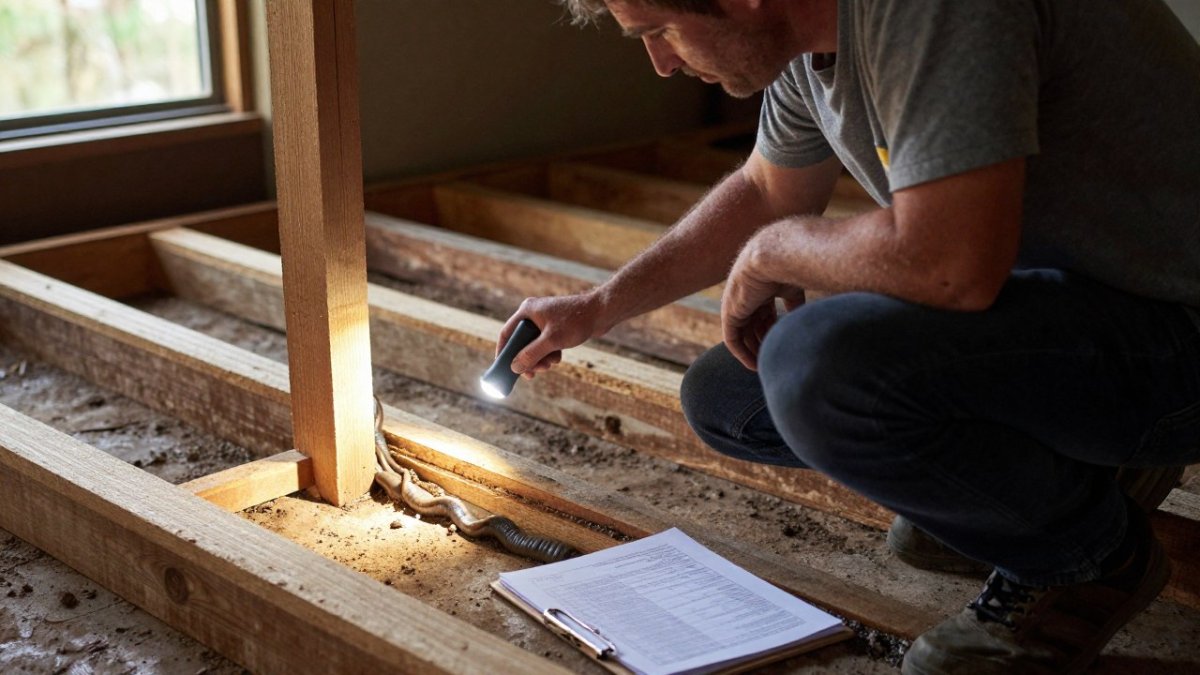
Do not break open termite workings yourself, official guidance warns that disturbing a colony can make it move deeper into the structure. Our room-by-room guide to identifying termite damage early walks you through a safe inspection, and our guide to termite damage signs in Cairns homes covers local examples.
How Fast Termites Damage a House
Termite damage can develop without obvious signs, and structural timber can lose strength before anyone notices.
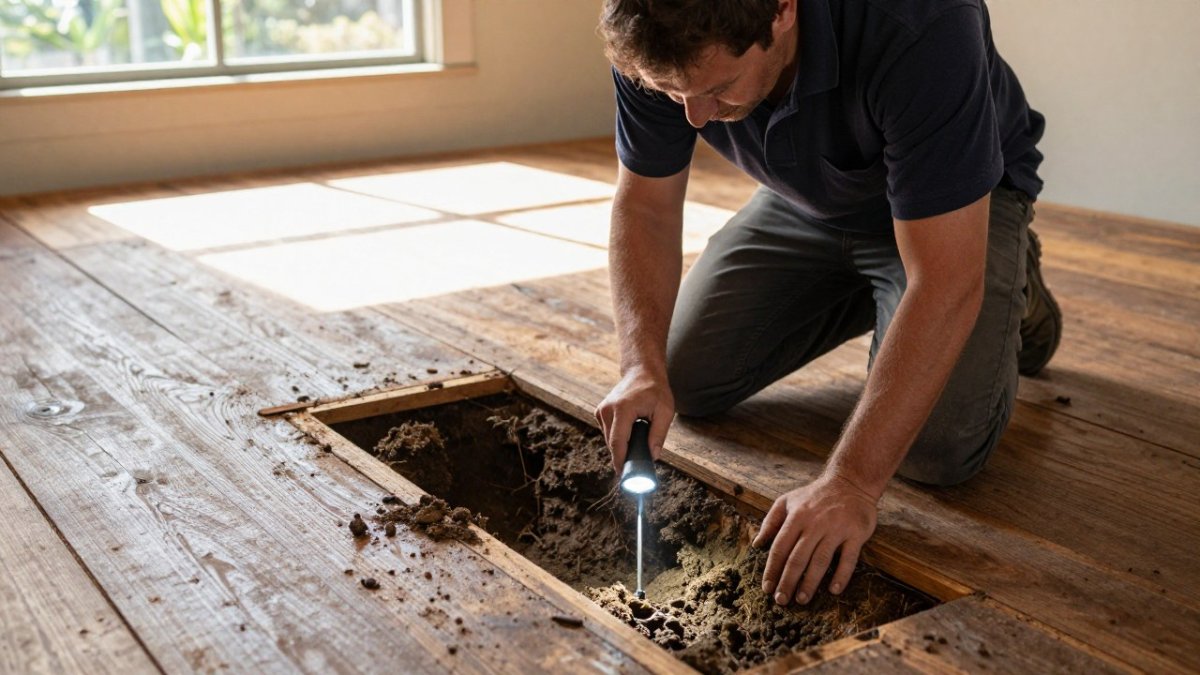
CSIRO research on managing termites in buildings confirms that undetected infestations cause extensive damage, and that fungal decay often makes timber easier for termites to attack. That combination is common in humid subfloors.
If you suspect activity, stop and book a termite inspection and treatment rather than waiting for visible damage. For the full picture of what builds up unseen, read the hidden damage termites cause before you notice.
What We Recommend
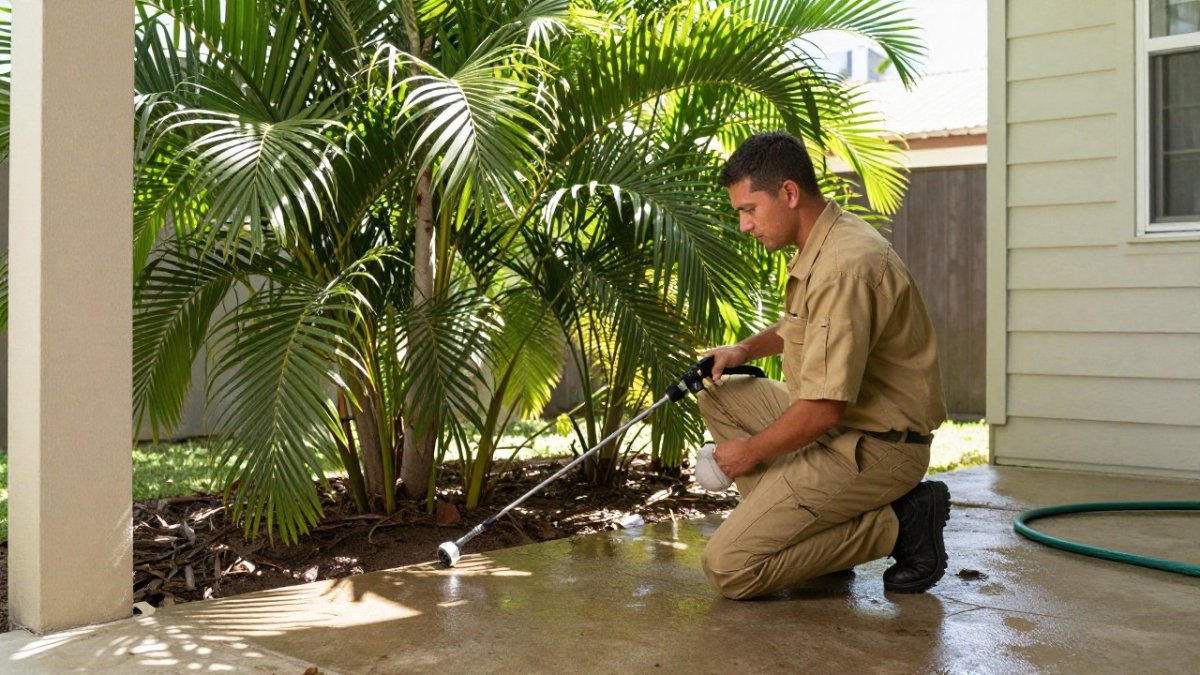
- Remove timber and mulch from against the walls
- Fix leaks and improve subfloor drainage
- Book a professional inspection every 12 months
- Keep a current barrier or bait system in place
Termites in Queensland will keep finding timber. The question is whether your home is the easy target. Tropic Shield Pest Services offers licensed technicians, safe eco-friendly treatments and fast same-day service, all built for the tropical climate. Get in touch with Tropic Shield Pest Services and protect your property before the damage starts.
Frequently Asked Questions
Why do termites attack homes?
Termites attack homes because timber is their food source. Subfloors, wall frames, roof timbers and fences all contain cellulose, which termites digest. In the tropics, warm temperatures, high humidity and damp soil keep colonies active year round, so a home with moisture near its foundations or untreated timber becomes an easy target. CSIRO notes that attack is often associated with fungal decay, which softens timber further. Removing moisture problems and keeping barriers intact is the practical defence.
How often should a home be inspected for termites?
Annual inspections are the common baseline, and many pest managers recommend them more often in high-risk tropical areas where subterranean termites stay active through the year. Termite inspection frequency should also increase after heavy rain, landscaping changes, or if you notice mud tubes or hollow-sounding timber. Book a professional inspection rather than probing the workings yourself, because disturbing termites can push the colony deeper into the structure.
What should you do if you find termites in your home?
Do not spray or disturb the termites. Queensland Government guidance advises leaving the workings alone until a professional decides on a management approach, because disturbance can cause the colony to relocate to another part of the structure. Photograph what you see, avoid moving affected timber, and arrange an inspection promptly. Early detection matters, because acting quickly can limit the extent of the damage.