 How-to
How to Identify Termite Damage Early in Your Home
Last Updated: November 9, 2026
Quick Summary
To identify termite damage early, check for mud tubes on foundations and walls, piles of discarded wings near windows and doors, hollow-sounding wood, and fine wood dust under furniture. Tap suspect timber gently and photograph any evidence rather than disturbing it, then book a licensed inspection to confirm activity.
- Mud tubes are pencil-thin tunnels of soil and saliva running up foundations, walls and posts.
- Piles of discarded wings near windows and doors signal swarmers have landed and paired up.
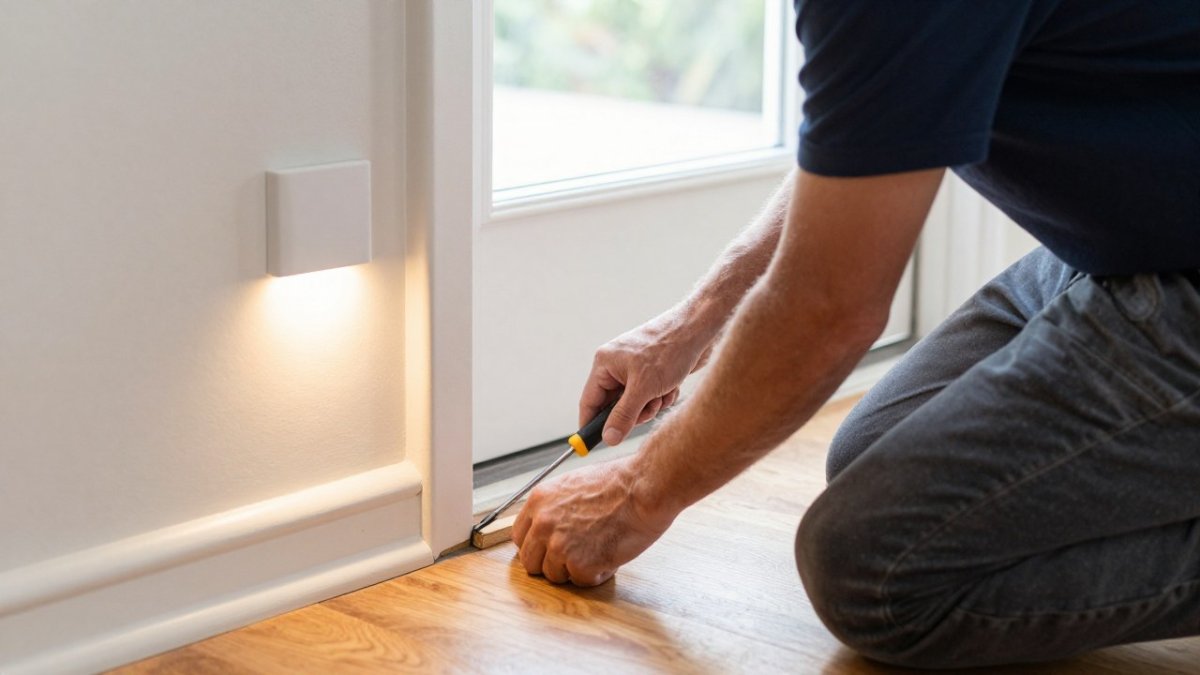
- Tap skirting boards with a screwdriver handle and listen for a dull, papery thud.
- Do not spray, drill or pull apart infested timber before it is assessed.
- Store firewood away from the house and off the ground to remove termite attractions.
Table of Contents
- The Early Termite Damage Signs Most Homeowners Miss
- How to Check for Signs of Termites in Walls and Timber
- Telling Termite Damage Apart From Water Damage and Other Pests
- What a Professional Termite Inspection Costs and Covers
- How to Prevent Termite Infestation After an Inspection
- Book a Termite Inspection Before the Damage Spreads
- Frequently Asked Questions
The Early Termite Damage Signs Most Homeowners Miss
Learning how to identify termite damage early is the single best way to protect your biggest asset.
That delay is expensive. Termites eat silently, and the damage you can see is usually a fraction of what sits behind the plaster. The hidden damage termites can cause before you notice them shows how much destruction can build up out of sight.
Mud tubes are the classic giveaway.
Discarded wings near windows and doors mean termite swarmers, or flying termites, have landed and paired up.
Hollow-sounding wood is another early warning sign. Tap a skirting board or beam. A dull, papery thud often means the timber is eaten out from within.
Mud Tubes, Discarded Wings and Other Visible Clues
Check for these visible clues and note where you find them:
- Mud tubes on foundations, piers and walls
- Piles of discarded wings near light sources
- Fine wood dust, or frass, under furniture
- Blistering paint or bubbling paint on timber
- Sunken trails or faint cracks in wall paint
- Doors and windows that suddenly stick
How to Check for Signs of Termites in Walls and Timber
The fastest way to find signs of termites in walls is a slow, methodical walk-through with a torch, a screwdriver and a notebook. Do it in daylight so you can compare shadows. Start outside and work inward.
A Room-by-Room Inspection Checklist
Use this checklist and tick each item as you go:
- Exterior: check foundations, piers and the base of posts for mud tubes
- Exterior: look for cracked or bubbling paint on weatherboards
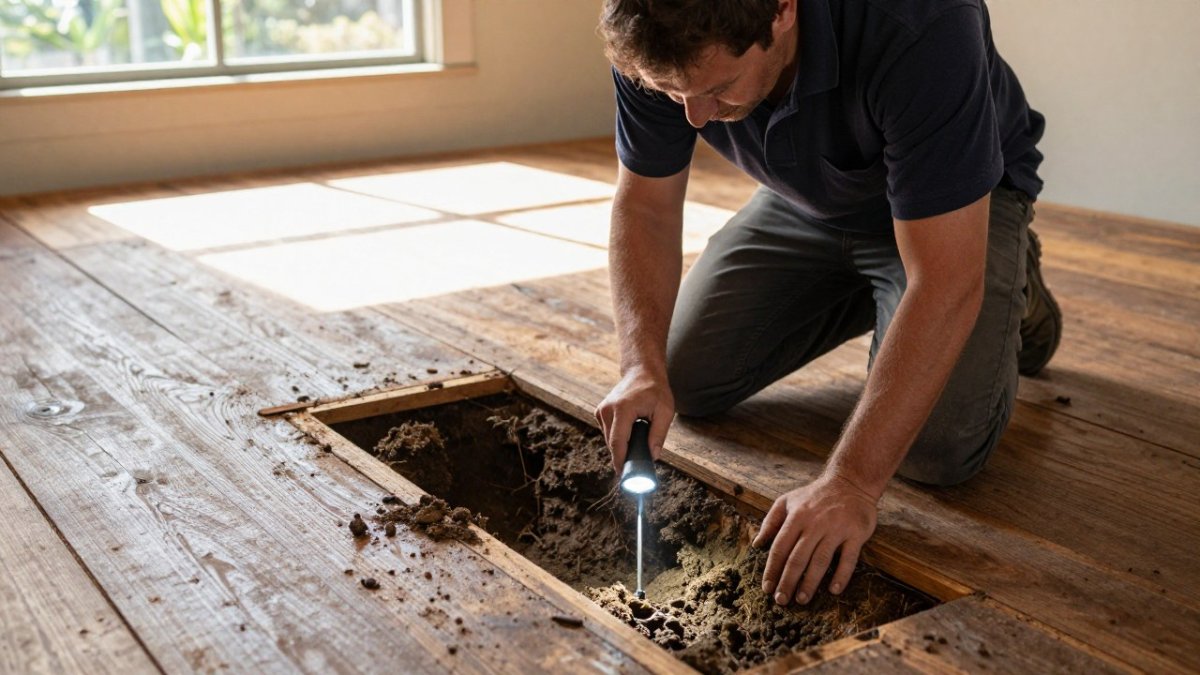
- Subfloor and crawl space: check bearers, joists and the base of stumps for mud and damaged timber
- Living areas: tap skirting boards and listen for hollow or soft wood
- Living areas: check door and window frames for sticking or swelling
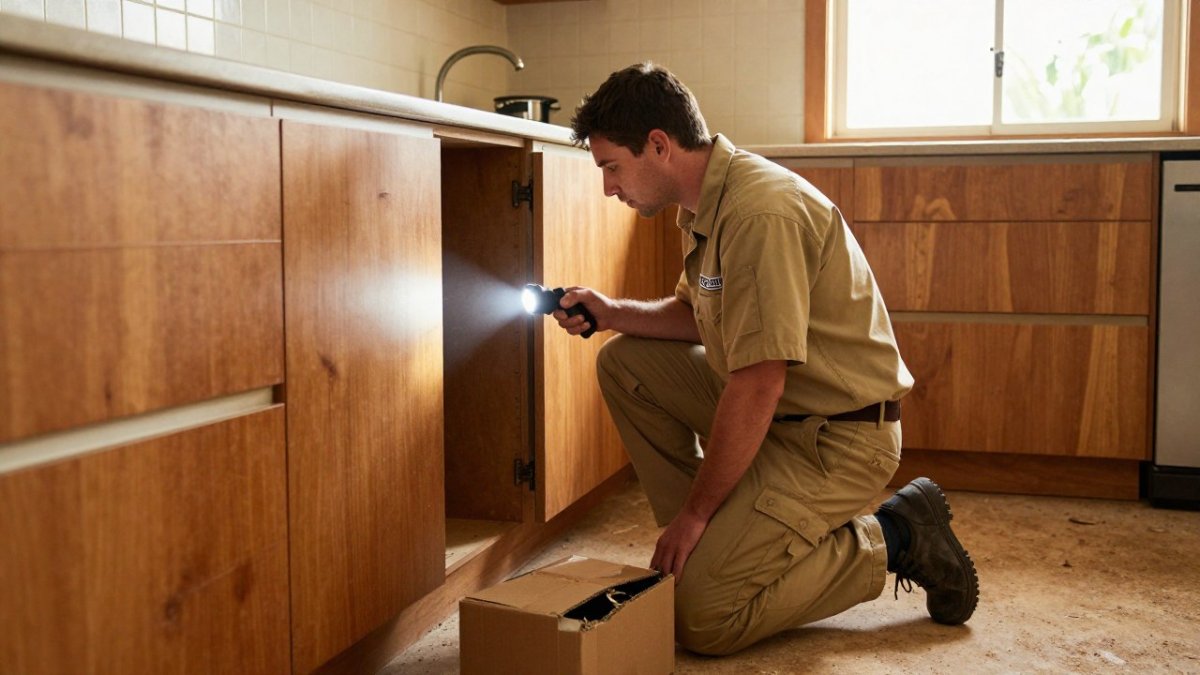
- Bathroom and laundry: look under sinks and around wet areas for moisture damage and frass
- Kitchen: check under the sink and behind the dishwasher for damp timber
- Garage: inspect stored timber, cardboard and the base of the door frame
Safe Confirmation Methods and What Not to Disturb
You can confirm a lot without damaging anything:
- Tap, do not pry. Use a screwdriver handle to tap timber and listen for a dull, papery thud.
- Probe gently. A thin screwdriver pressed lightly into suspect timber will sink into galleries; do not lever or widen the hole.
- Photograph, do not scrape. Record mud tubes, frass and wing piles with a scale reference (a coin or ruler) and note the location.
- Mark, do not move. Leave frass piles and wings in place so a technician can identify the species.
Watch out: do not spray, drill or pull apart infested timber before it is assessed. Disturbing the colony can scatter it and make a proper inspection harder.
Assessing Urgency and Severity
Not every sign means the same thing. Use this triage to decide how fast to act:
- Act now (same week): live workers visible in a broken mud tube, mud tubes bridging from soil to timber, or timber that gives way under light pressure. These suggest active infestation and possible structural risk.
- Book an inspection soon (within weeks): fresh frass piles, discarded wings near windows, or doors and windows that have started to stick.
- Monitor and re-check (quarterly): old, dry mud tubes with no live activity, or minor paint bubbling with no other evidence.
A common pattern is that the visible damage is a fraction of what sits behind the plaster, so treat any confirmed sign as a reason to bring in a licensed technician rather than to keep investigating yourself.
Telling Termite Damage Apart From Water Damage and Other Pests
Termite damage and moisture damage look alike from a distance. Both cause bubbling paint, peeling paint and soft timber. The difference is what sits inside the wood, and a close visual comparison is the fastest way to separate them before you spend money on the wrong fix.
A Visual Comparison Guide
Work through the same suspicious spot and compare what you actually see:
| What you observe | More likely termite damage | More likely water damage |
|---|---|---|
| Paint surface | Bubbling or blistering in a narrow trail or line | Blistering spread across a broad damp patch |
| Timber surface | Intact skin with hollow sound beneath | Swollen, soft or crumbling surface |
| Inside the wood | Clean galleries lined with mud or soil | Dark staining, rot and a musty smell |
| Debris | Fine, uniform pellets or mud packing | No pellets; possibly mould or salt deposits |
| Insects present | Workers, soldiers or swarmers | Silverfish, borers or none |
| Moisture reading | Dry to the touch | Damp to the touch, often near a leak |
A common pattern is that termites leave the paint skin intact while eating the timber behind it, so the surface feels firm until you press. Water damage usually softens the surface first.
Mapping the Evidence to Likely Termite Types
The evidence you find points to different termite groups, and that changes what a technician will look for:
- Mud tubes on foundations, piers or posts: strongly suggests subterranean termites, which need soil contact and build covered runways to reach timber.
- Dry, hard pellets (frass) pushed out of small holes: points to drywood termites, which nest inside the timber and do not need soil.
- Damage in damp timber near leaks, gutters or subfloors: consistent with dampwood termites, which favour high-moisture wood.
- Discarded wings near windows and doors: confirms swarmers have landed, but the wing shape alone rarely identifies the species, a technician will confirm.
Ruling Out Other Pests
Other pests leave different evidence. Cockroaches leave droppings, ants leave tidy trails, and rodents leave chew marks and droppings.
Watch out: if you cannot tell termite damage from water damage, do not treat it as a moisture problem and seal it up.
If termites are confirmed, treatment depends on the property type and construction. You can review the range of termite treatment options to see what suits your place.
What a Professional Termite Inspection Costs and Covers
A professional inspection is the only reliable way to confirm termite activity and assess hidden damage.
A termite inspection generally involves a visual check of the property for termite evidence and conditions that invite infestation, such as moisture or timber touching soil.
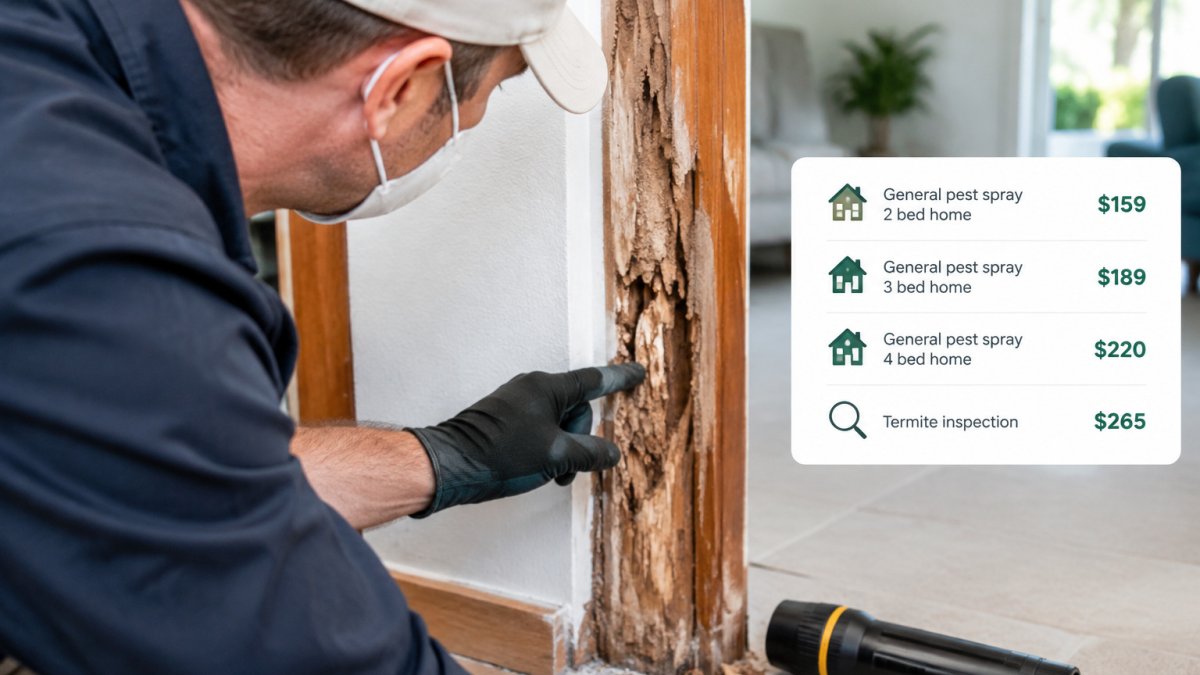
Pricing depends on the size and layout of the property. You can book a termite inspection with our licensed team.
| Service | Property | Price (AUD) |
|---|---|---|
| General pest spray | 2-bed home | $159 |
| General pest spray | 3-bed home | $189 |
| General pest spray | 4-bed home | $220 |
| Termite inspection | Any home | $265 |
Termite and pest service prices by property type
How to Prevent Termite Infestation After an Inspection
Prevention starts the moment the report lands. Fix moisture problems first, because damp timber draws termites (Weather events present perfect swarm for termite invasions). Repair leaking taps, clear gutters and improve drainage around the base of the home.
Next, remove what termites love:
- Store firewood away from the house and off the ground
- Keep timber, mulch and garden beds clear of external walls
- Fix cracked or damaged timber promptly
- Maintain your termite barrier and have it checked on schedule
Annual inspections matter most. Regular checks catch new activity before structural damage sets in. Our guide on the importance of annual termite inspections explains why ongoing monitoring protects the whole property.
Book a Termite Inspection Before the Damage Spreads
The gap between early signs and serious structural damage can be short.
Tropic Shield Pest Services provides eco-conscious pest management for homes, holiday rentals and commercial properties in Far North Queensland. Request a free quote and protect your home before the damage spreads.
Termites rarely announce themselves. The homeowners who avoid the worst bills are the ones who act on the first clue, not the last.
Frequently Asked Questions
What are the first signs of termite damage?
The earliest clues are usually mud tubes on foundations or walls, timber that sounds hollow when tapped, and paint that blisters or bubbles without any water source nearby. Discarded wings near windows and doors after a swarm are another strong signal. Because termites eat timber from the inside out, surface damage often appears only after the colony is well established, so any of these signs warrants a professional inspection rather than a wait-and-see approach.
Can I detect termites myself or do I need a professional?
You can spot visible warning signs, and a torch-led walk around your home is worth doing monthly. What you cannot do is confirm whether a colony is active behind a wall or under a floor. A licensed technician can trace activity without pulling the structure apart. If you find mud tubes or hollow timber, avoid disturbing the area and book a professional inspection.
Are mud tubes a sign of active termites?
Mud tubes are built by termites to keep their bodies moist while travelling between the nest and a food source, so a tube on your foundation or wall is a genuine sign of termite activity. Break a small section open and check again in a few days. A tube that has been rebuilt is a strong indicator of an active colony. Leave the rest of the tube intact and have the property inspected properly.
What should I do if I find termite damage?
Do not spray anything on the affected timber and do not pull off damaged boards, because both can scatter the colony and make treatment harder. Photograph what you have found, note the location, and arrange a professional termite inspection. A technician can confirm whether the damage is active, assess how far it has spread, and recommend a barrier or treatment plan suited to the property.