 How-to
Why Do Ants Return After Professional Treatment?
Last Updated: November 12, 2026
Quick Summary
Ants return after professional treatment usually because the nest survived, the bait was disturbed, or new ants moved in, sometimes it is just the treatment working slowly. Only 10-20% of a colony is typically visible, so the queen and the rest stay hidden.
- Activity in the first 24 to 48 hours after a residual spray is common and declines over one to two weeks.
- With baiting, a short surge in visible ants in the first few days means the bait is being collected.
- Leave bait stations and treated zones undisturbed for at least one to two weeks, or as your technician advises.
- Spraying over bait or wiping bait stations clean kills the transfer process and lets the colony survive.
- If ants are still active after two weeks, or you see them in new areas, contact us for a follow-up.
Table of Contents
- Why Ants Return After Professional Treatment
- How Long Does Pest Control Last, and What Is Normal After Treatment?
- Best Practices for Ant Prevention Between Services
- Frequently Asked Questions
Why Ants Return After Professional Treatment
Seeing ants after a spray is not always a failure, it often means the treatment is working. At Tropic Shield Pest Services, we explain this weekly: only 10-20% of an ant colony is typically visible, according to Vertex Pest Control's explanation of hidden colony activity, with the queen and the rest staying hidden.
So why do ants return after professional treatment? Usually because the nest survived, the bait was disturbed, or new ants moved in, sometimes it is just the treatment working slowly. The National Pest Management Association's ant survey found 27% of ant infestations are linked to extra moisture and 22% to changing pest management practices, causes a spray alone cannot fix.
How Long Does Pest Control Last, and What Is Normal After Treatment?
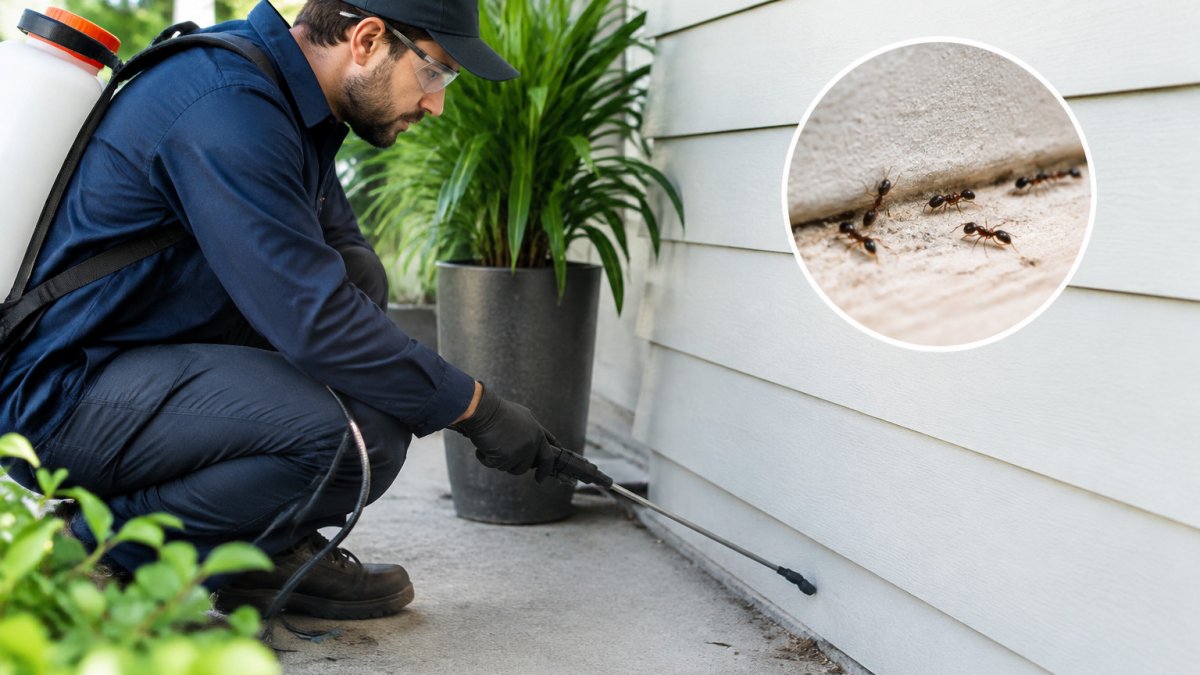
There is no single answer, because 'normal' depends on the treatment. With a residual spray, the active ingredient sits on treated surfaces; outdoors it lasts weeks as sunlight, rain and humidity break it down, while sheltered indoor surfaces hold up longer. Activity in the first 24 to 48 hours is common, declining over one to two weeks.
With baiting, the timeline is deliberately slower: workers carry the active ingredient back to the nest, so a short surge in visible ants in the first few days usually means the bait is being collected, with the bulk of the effect over one to three weeks.
Assess whether the treatment is working by watching for smaller trails, fewer foragers, activity moving away from a treated entry point, or longer gaps between sightings. A surviving colony keeps a steady, heavy trail in the same spot; a new infestation often appears at a different entry point after a quiet period. Some treatments also cause colonies to split, a process called budding, which can look like a fresh infestation in a new area.
Watch out: spraying over bait, wiping bait stations clean, or using household insect spray on treated trails kills the transfer process and lets the colony survive, one of the most common reasons ants appear to 'return' after a professional visit.
Our general pest control service covers common household pests such as ants, cockroaches and spiders. Not sure how often to rebook? Read our guide on how often to book a general pest spray.
Here is what to expect from each treatment type and how to tell whether it is working.
| Treatment | Timeline | What to watch for |
|---|---|---|
| Residual spray | Lasts weeks outdoors; longer on sheltered indoor surfaces | Activity common in first 24 to 48 hours, declining over one to two weeks |
| Baiting | Bulk of effect over one to three weeks | Short surge in visible ants in first few days means bait is being collected |
| Working treatment | Smaller trails, fewer foragers, activity moving from treated entry point | Longer gaps between sightings |
| Surviving colony | Steady, heavy trail in the same spot | Colony was not eliminated |
| New infestation | Appears at a different entry point after a quiet period | May also be colony budding |
Best Practices for Ant Prevention Between Services
Prevention between visits comes down to food, water and access, but what you do in the first fortnight after treatment matters as much as long-term habits.
- Leave bait stations and treated zones undisturbed for the period your technician advises, usually at least one to two weeks.
- Clean up food debris and spills promptly, and store food in sealed containers.
- Fix leaking taps, dripping pipes and damp areas; moisture is a common reason ants keep returning to the same spot (Six Steps to Getting Rid of Ants: Simple ant control tips).
- Seal cracks and crevices around skirting boards, window frames and entry points once the treatment period has passed.
- Trim plants away from walls, clear leaf litter, and keep pet food bowls cleaned up between meals.
- Do not spray over bait or treated surfaces with a household insect spray.
- Do not wipe down or relocate bait stations because they look untidy.
- Do not seal entry points before the treatment has had time to work, as this can trap activity indoors.
- Do not assume a quiet week means the job is finished.

If ants are still active after two weeks, or you see them in new areas, contact us for a follow-up. Before booking, ask what the plan covers, whether a follow-up visit is included, what the retreatment policy is, and what signs should prompt a call-back.
We can also explain what happens during a service in our guide on what to expect during a general pest spray. For a free quote, contact our team.
Ants returning after treatment usually points to a hidden nest, disturbed bait, or a moisture problem, not a wasted service. Tropic Shield Pest Services offers licensed technicians, safe eco-friendly treatments and fast same-day service across the region. Get started with Tropic Shield Pest Services and keep your home protected.
Frequently Asked Questions
Is it normal to see ants after professional pest control?
Yes, and it often means the treatment is working. Professional baits are designed to act slowly so worker ants carry the active ingredient back to the nest. That can produce a visible surge in activity in the first 48 hours. A colony is rarely fully visible to homeowners, so ants you see afterwards are often part of the same colony still collecting bait rather than a new infestation.
How long does it take for professional ant treatment to work?
Most bait-based treatments need several days to a few weeks to work through a colony, because the delay is deliberate: ants must forage, collect and transfer the bait to the queen and hidden workers. Spray-only treatments knock down visible ants within hours but do nothing to the nest. If activity is still climbing two weeks after service, that is the point to call your provider for a follow-up.
What should I do if ants return shortly after treatment?
Leave treated areas and bait stations undisturbed, and do not spray insecticide over the top, as this can kill the ants before they carry bait back. Wipe up food debris and standing moisture, then note where the activity is concentrated. If ants are still active two weeks after the service, contact Tropic Shield Pest Services to book a follow-up inspection rather than treating it yourself.