 How-to
Termite Barrier Installation Cost Cairns 2026: 7 Key Costs
Last Updated: November 4, 2026
Quick Summary
Most residential termite barrier installations in Cairns fall between $2,000 and $4,000 in 2026, with installation typically running $30 to $40 per linear metre. Your actual termite barrier cost depends on property size, soil type, site access and construction stage, so treat that range as a starting point rather than a quote.
- New-build barrier installation costs range from $2,500 to over $4,500 due to extra slab-stage work.
- A termite inspection with our team is $265 and should be done before any barrier quote.
- Compare chemical and baiting systems on five-year total cost, not the upfront invoice alone.
- Annual inspections are the minimum in the tropics and keep your barrier warranty valid.
- A proper quote lists linear metres, service penetrations, AS 3660.1 compliance and warranty terms.
Table of Contents
- What Termite Barrier Installation Costs in Cairns in 2026
- Termite Barrier Cost Queensland: Why Local Pricing Sits Where It Does
- What Drives the Price: Property Size, Soil and Site Access
- Chemical Barriers vs Baiting Systems: Which Costs Less Over Time
- Termite Inspection Cairns Cost and How It Fits Your Budget
- Termite Barrier Installation Quote: What Yours Should List
- Termite Barrier Maintenance and Inspections After Installation
- Book a Termite Barrier Assessment for Your Property
- Frequently Asked Questions
What Termite Barrier Installation Costs in Cairns in 2026
Working out the termite barrier installation cost in Cairns in 2026 starts with a simple fact: most residential barrier installations fall somewhere between $2,000 and $4,000, according to Allstate Pest Control's residential pricing guide. That range is the honest starting point, not a quote.
A termite barrier is a continuous treated zone or physical membrane that separates a building from subterranean termites, installed around the perimeter, under the slab, and at service penetrations. You can book a termite inspection with our local team. Get it right and you have long-term protection. Get it wrong and you have a very expensive repair bill: the average cost of termite damage repair sits at approximately $10,000, per Termimesh's fact sheet on damage and repair costs. That figure alone should reframe how you read any installation price.
Below, we break down what drives the cost, how chemical and baiting systems compare over time, and exactly what a professional quote should list.
Termite Barrier Cost Queensland: Why Local Pricing Sits Where It Does
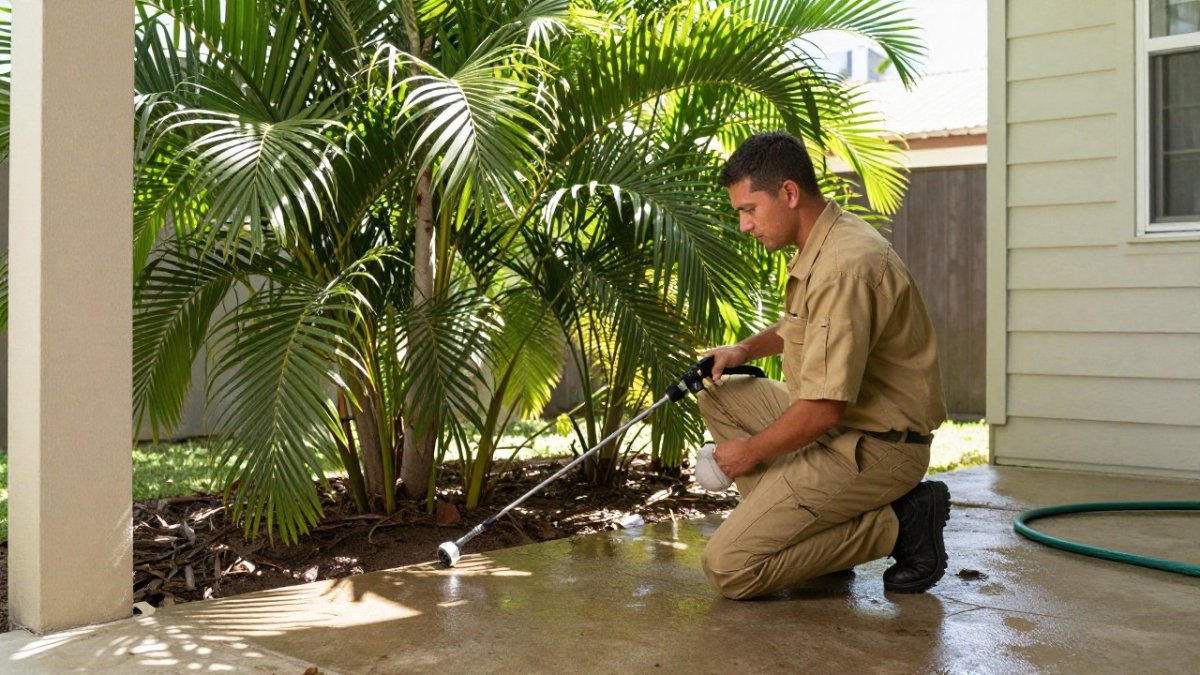
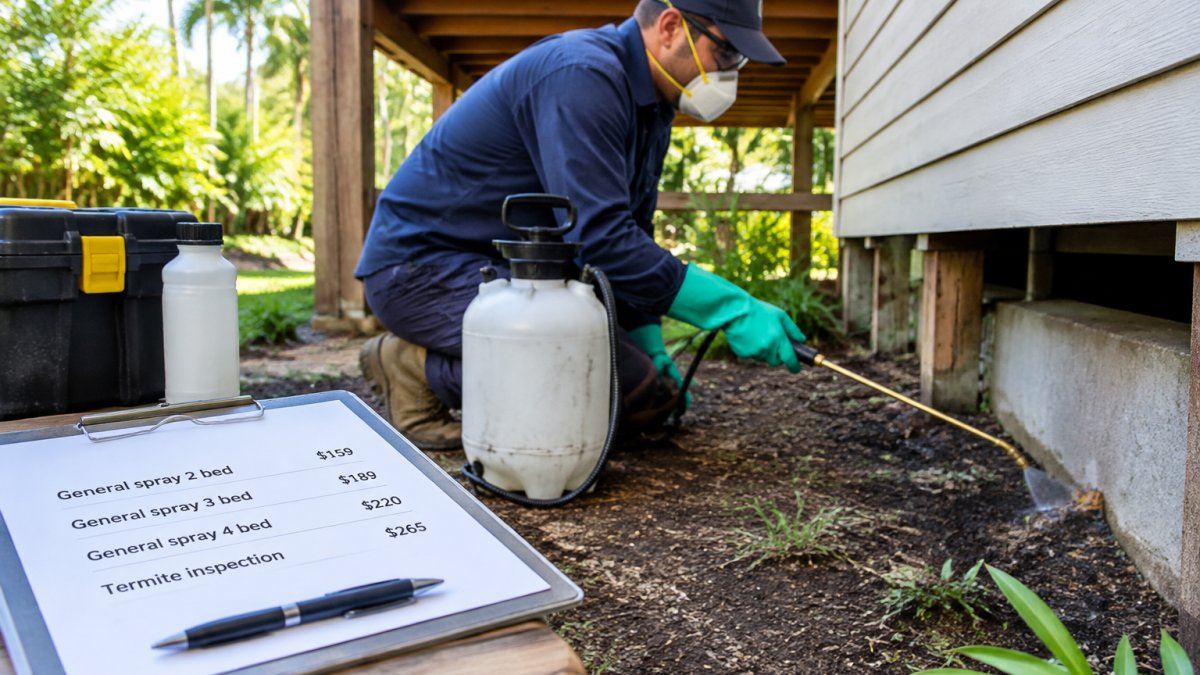
Pricing in the tropics does not follow national averages. Barrier installation typically runs between $30 and $40 per linear metre, based on Allstate Pest Control's linear metre pricing, and the more perimeter and construction joints a home has, the higher that total climbs.
The climate does the rest. Warm, humid conditions and a wet season that keeps soil moisture high create near-ideal conditions for termite colony activity. That means barriers here face more sustained pressure than in cooler southern markets, and monitoring intervals matter more.
For new builds, installation costs range from $2,500 to over $4,500, according to a 2026 community discussion on new-build termite control, reflecting the extra work at slab stage. The global termite control market is projected to grow at 6.39% annually to 2031, per Mordor Intelligence's market report, which tells you demand is rising, not falling.
What Drives the Price: Property Size, Soil and Site Access
Four factors move a termite barrier cost more than anything else:
- Property size and perimeter length. Pricing is largely linear, so a larger footprint means more treated zone.
- Soil type and drainage. Sandy, well-draining profiles behave differently from reactive clay, and the treatment volume changes accordingly.
- Site access. Tight side access, sloping blocks and established landscaping slow installation and add labour.
- Construction stage. Pre-construction work is planned and staged; retrofitting around a finished home is not.
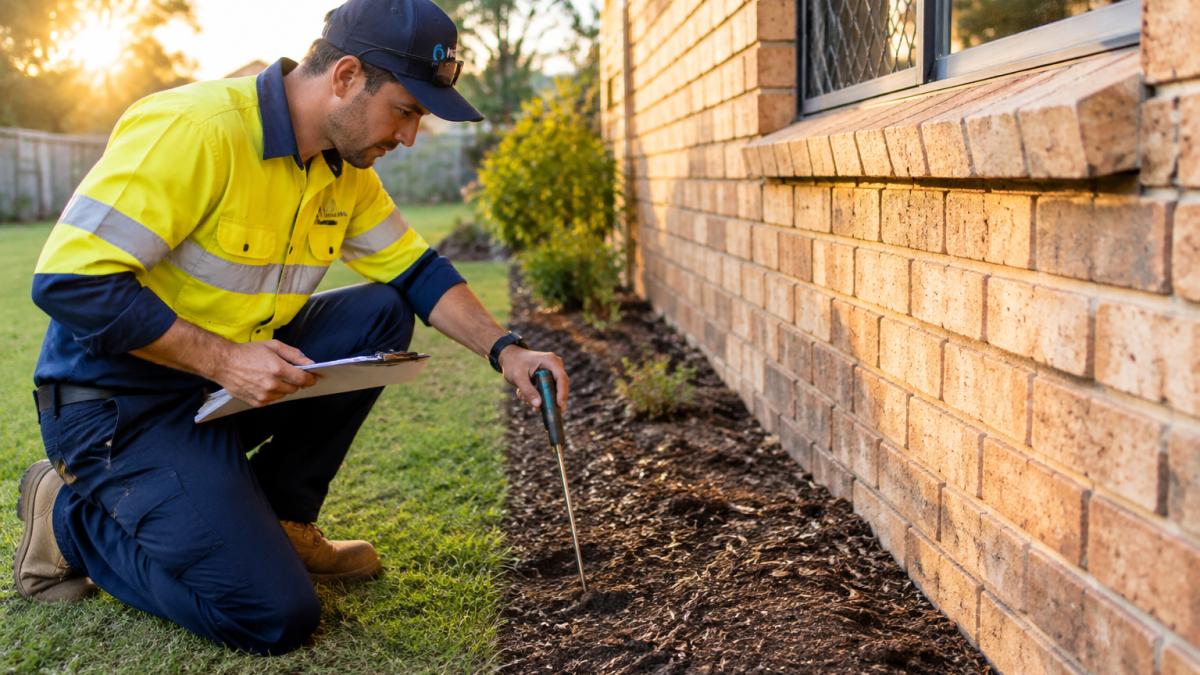
A common mistake is comparing quotes on the headline number alone. A cheaper quote that skips service penetrations or construction joints is not cheaper, it is incomplete. Those gaps are exactly where subterranean termites get in.
Chemical Barriers vs Baiting Systems: Which Costs Less Over Time
Most homeowners compare the two systems on the installation invoice alone. That is the wrong comparison. The number that matters is the five-year total cost of ownership, because the two systems front-load and back-load their costs in opposite ways.
A chemical barrier is a treated zone of termiticide applied to the soil around the perimeter, under the slab edge and at service penetrations.
A baiting system works differently. It places monitored stations around the perimeter, and the system works while it is being checked and rebaited.
Here is how the two compare on the factors that actually drive the five-year number:
| Factor | Chemical barrier | Baiting system |
|---|---|---|
| Upfront cost | Higher, concentrated earthworks and injection | Lower, station placement only |
| Ongoing cost | Low between reapplications; reapplication cycle typically measured in years | Regular monitoring and bait top-up fees, usually billed per service |
| Disruption | One intensive visit, then quiet | Frequent site checks, but low-impact |
| Coverage | Full continuous perimeter zone | Point coverage at stations; relies on termite foraging behaviour |
| Best for | New builds, full perimeter cover, homeowners who want a passive system | Established homes with mature gardens, staged budgets, ongoing monitoring preference |
| Failure mode | Disturbed zone from landscaping, paving or renovations | Lapsed monitoring, stations moved or buried |
Neither is universally better, and the honest answer depends on the property. For a new build where the slab is about to go down, a chemical barrier installed before construction is the more efficient route because the treated zone goes in before the house does. For an established home with mature gardens and limited access, bait stations let you monitor activity without major earthworks.
Watch out: a baiting quote that looks cheaper on day one can cost more over five years once monitoring fees are added, and a chemical quote that looks expensive can be the lower total if the reapplication cycle is long. Ask both quotes for the same thing: the upfront figure, the expected servicing schedule, and the five-year total.
We walk through the trade-offs in more detail in our guide to termite treatment options.
Termite Inspection Cairns Cost and How It Fits Your Budget
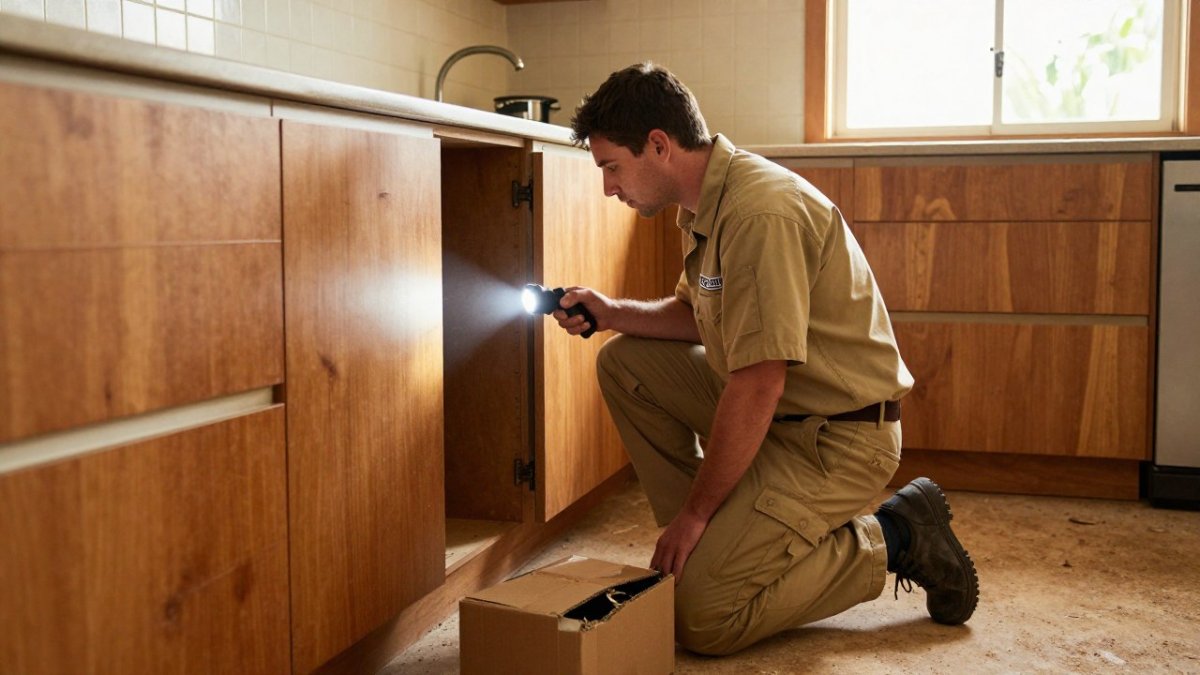
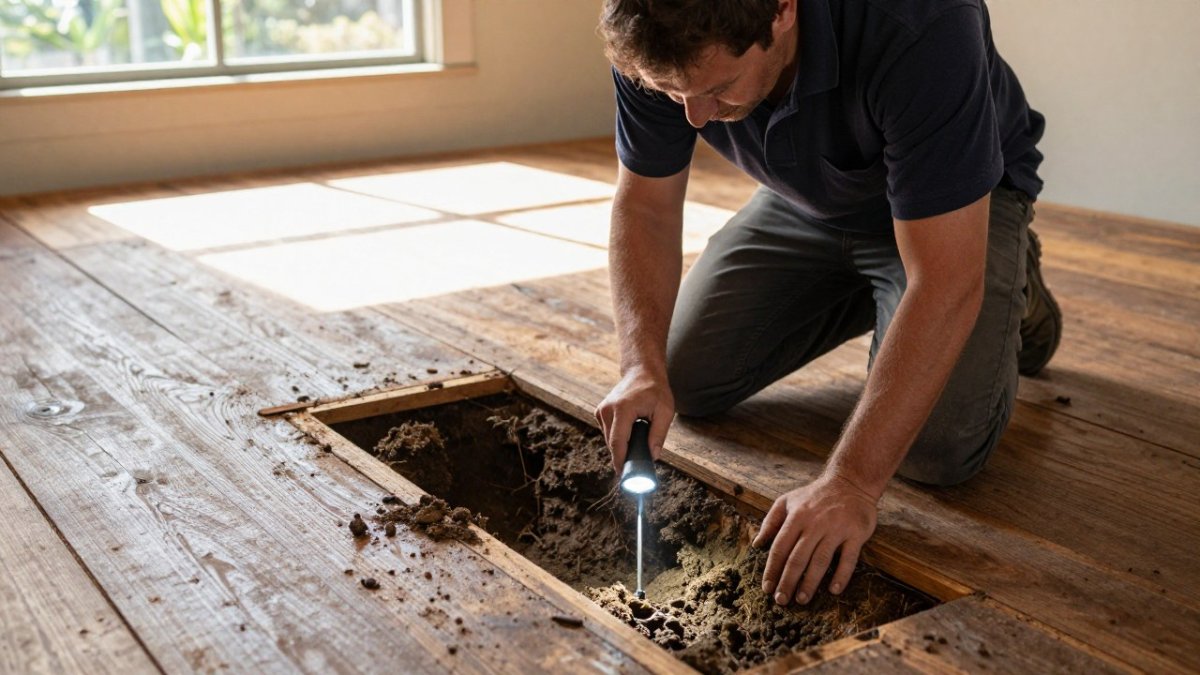
A termite inspection is the cheapest part of the whole equation and the one that protects the rest of your spend. Our termite inspection is $265, and it establishes whether activity exists before anyone quotes a barrier.
Standard home insurance generally will not cover termite damage, per Termimesh's guidance on insurance limitations, so an inspection is not a formality. It is your only early warning system. Budget for it annually, and treat any barrier quote as a separate line item.
Watch out: skipping the inspection to save money and going straight to a barrier quote can mean installing protection over an active infestation, which wastes the entire spend.
Termite Barrier Installation Quote: What Yours Should List
A proper quote is specific. If yours is a single number on a page, ask for the detail before you compare anything.
- The barrier system specified, by product name
- Linear metres covered, and the perimeter measurement used
- Treatment of service penetrations and construction joints
- Compliance with AS 3660.1 for the installation method
- Warranty period, in writing
- Annual inspection requirements to keep that warranty valid
- Any exclusions, such as landscaping or paving reinstatement
For new builds, the installation sequence matters as much as the product. Our termite barrier installation for new construction page sets out what a compliant pre-slab installation involves and the checklist it should meet.
Termite Barrier Maintenance and Inspections After Installation
A barrier is not a set-and-forget product. Annual inspections are what keep it working and what keep your warranty intact, and most manufacturers and installers make them a condition of cover. Miss them and the warranty can be voided even if the barrier itself was installed correctly.
In this climate, annual is the minimum. The wet season saturates soil, movement occurs, and treated zones can be disturbed by landscaping, paving or renovations. Each of those events is a chance for a gap to open. A barrier that performed perfectly in a dry year can be compromised by a single wet season if water movement or soil shifting opens a breach at a construction joint or service penetration.
What a maintenance inspection actually checks:
- The perimeter for gaps, subsidence or soil movement against the slab edge
- Service penetrations and construction joints, which are the most common breach points
- Any landscaping, paving, retaining walls or renovations since the last inspection that may have disturbed the treated zone
- Bait station condition and activity if a baiting system is installed
- Evidence of termite activity or mud tubes anywhere on the property
Watch out: a renovation, a new garden bed, a paved path or a retaining wall built against the slab can breach a barrier without anyone noticing. Tell your technician about any works since the last inspection so the affected zone can be re-treated.
There is a second reason to keep inspections current. Standard home insurance generally will not cover termite damage, per Termimesh's guidance on insurance limitations, so the inspection record is your evidence that the property was maintained. Some insurers ask about termite management when quoting, and a current inspection record with a certified barrier is the cleanest answer you can give.
We recommend booking the inspection in the same month each year so it does not slip. Our guide to the importance of annual termite inspections explains what a technician checks and why the timing matters in the tropics.
Book a Termite Barrier Assessment for Your Property
The number that matters is not the installation price on its own. It is the installation price weighed against the cost of protection over time.
Tropic Shield Pest Services is locally owned and operated, with licensed technicians who work on homes, holiday rentals and commercial properties across the region. We use safe, eco-friendly treatments tailored to the tropical climate, and we offer fast same-day service. One customer put it simply: Tropic Shield quickly found their termite problem and came up with a solid, cost-effective solution that saved their home.
Get started with Tropic Shield Pest Services and protect your property before the next wet season. You can request a quote from our team.
Frequently Asked Questions
How much does termite barrier installation cost in Cairns in 2026?
Your final figure depends on perimeter length, system type and site access, so ask for an itemised quote rather than a single lump sum.
Is a termite inspection included in the cost of a termite barrier?
Usually not. A site assessment before installation is often bundled into the quote, but the ongoing annual inspection is a separate service. At Tropic Shield Pest Services a termite inspection is $265. Budget for it every year, because barrier warranties commonly depend on documented annual inspections by a licensed technician.
Does a termite barrier need regular inspections?
Yes. Termite barrier maintenance and inspections keep the protection valid and catch breaches early. Annual checks let a technician confirm the chemical or physical barrier is intact, look for subterranean termite activity and check bait stations. Skipping them can leave you paying for structural damage.
What should a termite barrier installation quote include?
A complete termite barrier installation quote should list the system type and product, linear metres covered, site preparation and trenching, any reticulation system, warranty period and its conditions, and whether annual inspections are required to maintain it. Ask for the licence number and confirm what happens if termites breach the barrier during the warranty term.